

Japanese dog names have become incredibly popular among pet owners around the world, and honestly, it’s easy to understand why. They sound elegant, carry deep meanings, and often reflect beauty, nature, strength, or affection in ways that feel poetic rather than ordinary. A name like Yuki, Sakura, or Mochi doesn’t just identify your dog; it tells a story. It paints a picture. It creates personality before your puppy even barks. In recent years, Japanese-inspired pet names have surged across online pet communities and social platforms, especially names connected to food, seasons, flowers, and emotions.
Japanese culture has long treated pets as beloved companions deeply woven into family life. Historical stories like that of Hachikō helped shape the global admiration for Japanese dog culture and symbolism. Whether you own a tiny Shih Tzu, an energetic Shiba Inu, or a giant fluffy Husky, Japanese female names can match nearly every personality and appearance. Some names feel soft and graceful like cherry blossoms floating in spring air, while others sound powerful enough for a fearless guardian dog.
The best part? Japanese dog names are usually short, melodic, and easy for dogs to recognize. Most contain two syllables, which animal behavior experts often recommend for training and recall. That means your dog gets a meaningful name without sacrificing practicality. So if you’ve been searching for a name that feels unique, emotional, stylish, and memorable all at once, Japanese female dog names may be exactly what you’ve been looking for.
Why Japanese Dog Names Are So Popular Worldwide
Japanese dog names have crossed cultural boundaries in a way few naming styles ever manage. They feel exotic without being difficult, meaningful without sounding overly dramatic, and elegant without trying too hard. In many Western countries, pet owners increasingly search for names that stand out from overused choices like Bella, Lucy, or Daisy. Japanese names offer something fresher and more personal. They often connect to flowers, seasons, emotions, weather, or personality traits, giving every name a deeper layer of symbolism.
One reason these names resonate so strongly is the musical quality of the Japanese language itself. Japanese words often flow smoothly because of their balanced vowel sounds. Names like Aiko, Sora, Nami, and Mika roll off the tongue almost like lyrics in a song. Dogs respond well to clear vowel sounds and short syllables, making many Japanese names naturally practical for commands and recall training. Imagine standing in a park yelling “Sakura!” versus trying to shout a long complicated name. One feels effortless, while the other sounds like reading legal paperwork out loud.
Japanese pet culture also contributes to the popularity of these names. Pets in Japan are often treated as beloved family members, and smaller breeds are especially common in urban homes. That emotional closeness influences naming trends, leading to affectionate, warm, and emotionally expressive names. Online communities also show growing interest in Japanese food-inspired names like Mochi, Momo, and Choco, which people associate with cuteness and comfort.
Another reason people love these names is flexibility. Some names sound adorable for tiny puppies but still suit the dog as an adult. Yuki sounds just as elegant for a playful white Pomeranian as it does for a majestic Samoyed. That timeless quality matters more than most people realize because your dog will carry that name for life.
Popular Female Japanese Dog Names With Elegant Sounds

Some Japanese female dog names remain consistently popular because they strike the perfect balance between beauty, simplicity, and meaning. These names are easy to pronounce, emotionally expressive, and visually beautiful when written. They also tend to fit many different breeds and personalities, which explains why they continue appearing across pet communities and social media discussions.
| Name | Meaning | Best For |
|---|---|---|
| Sakura | Cherry blossom | Graceful or gentle dogs |
| Yuki | Snow or happiness | White-coated dogs |
| Hana | Flower | Sweet and affectionate dogs |
| Emi | Beautiful blessing/smile | Cheerful puppies |
| Sora | Sky | Energetic or adventurous dogs |
| Nami | Wave | Calm yet playful dogs |
| Aiko | Beloved child | Loyal companion dogs |
| Momo | Peach | Cute smaller breeds |
Sakura may be one of the most recognizable Japanese female names globally. Cherry blossoms symbolize beauty, renewal, and fleeting elegance in Japanese culture. A dog named Sakura instantly sounds graceful and refined. It works beautifully for calm, affectionate dogs with elegant movement or soft coats.
Yuki is another favorite because it carries multiple meanings depending on the characters used. It can mean snow, happiness, or good fortune. White-coated dogs especially suit this name perfectly. Online discussions frequently connect Yuki with pets because it sounds soft, memorable, and comforting.
Hana, meaning flower, remains timeless because it’s easy for both humans and dogs to recognize. The name feels warm and gentle without sounding childish. Meanwhile, Emi carries meanings tied to beauty and smiling, making it ideal for playful dogs who always seem happy to see everyone.
What makes these names truly special is their emotional atmosphere. Saying them aloud creates a feeling, almost like hearing the title of a favorite song or remembering a peaceful place. That emotional resonance is why Japanese dog names continue growing in popularity across cultures and generations.
Nature-Inspired Japanese Names Rich in Symbolism
Nature holds extraordinary importance in Japanese culture, so it’s no surprise that many beautiful female dog names are inspired by flowers, seasons, rivers, skies, and landscapes. These names don’t merely sound pretty; they symbolize emotions, personality traits, and even life philosophies. Choosing one of these names can feel less like picking a label and more like capturing your dog’s spirit in a single word.
Flower-inspired names are especially beloved because flowers carry deep symbolism in Japan. Sakura represents beauty and renewal, while Tsubaki means camellia, symbolizing admiration and elegance. Ayame, meaning iris flower, often suggests courage and hope. These names work wonderfully for graceful breeds or dogs with calm personalities. Imagine a fluffy cream-colored dog named Tsubaki slowly walking through the house like royalty. The name paints the picture before anyone even meets her.
Weather and sky-inspired names create a completely different energy. Sora, meaning sky, feels open, adventurous, and full of movement. Hoshi, meaning star, suits dogs who seem to light up every room they enter. Nami, meaning wave, carries a calm but lively feeling, perfect for dogs with playful but balanced personalities. Japanese naming traditions often connect natural elements with emotions, which makes these names feel emotionally layered rather than purely decorative.
Seasonal names also carry remarkable charm. Aki means autumn, associated with warmth and beauty. Haru, meaning spring, symbolizes new beginnings and joyful energy. Winter-inspired names like Yuki remain incredibly popular because snow imagery feels peaceful and pure. Discussions around Japanese pet names frequently mention nature-related themes because they sound poetic while remaining easy to pronounce.
These names feel timeless because nature itself never goes out of style. Trends come and go, but flowers bloom every spring, snow falls every winter, and waves continue crashing against shores. A nature-inspired Japanese name gives your dog a connection to something eternal and deeply meaningful.
Cute and Playful Japanese Names for Smaller Dogs
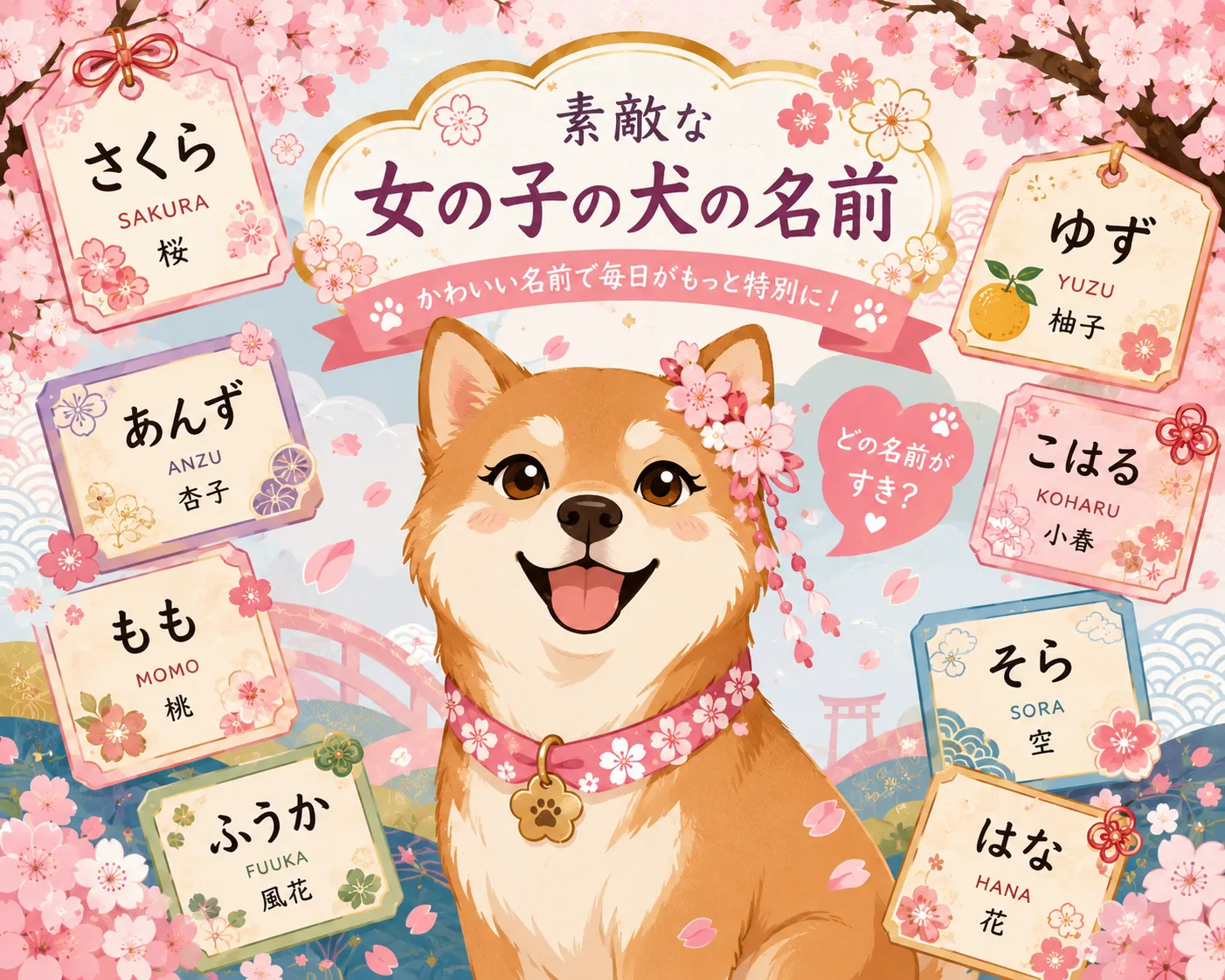
Some dogs simply radiate chaos wrapped in fluff. Tiny paws racing across hardwood floors, dramatic barking at leaves, zoomies at midnight; certain dogs deserve names that sound playful, sweet, and impossible not to smile at. Japanese naming culture offers endless adorable options for these energetic little personalities.
Food-inspired names have become especially popular in recent years. Names like Mochi, Momo, and Choco frequently appear in online pet communities because they sound soft, cheerful, and affectionate. Mochi, named after the soft Japanese rice cake dessert, has become a trendy pet name because people associate it with fluffiness and sweetness. Pet owners often describe the name as comforting and irresistibly cute.
Other playful names include:
- Mikan; Mandarin orange
- Kinako; Roasted soybean flour
- Komugi; Wheat
- Maru; Circle or roundness
- Chibi; Tiny or little
The popularity of names like Komugi and Mugi reflects a broader Japanese tendency to use descriptive or comforting words as pet names. These names feel affectionate rather than formal, almost like nicknames filled with warmth. A tiny cream-colored puppy called Mochi feels instantly lovable before she even wags her tail.
Short Japanese names also work exceptionally well for toy breeds because the sounds feel quick and energetic. Dogs respond strongly to names with crisp vowel endings, making names like Mika, Rin, Yui, and Nana ideal for training and daily interaction. They’re simple enough for children to say while still sounding elegant and distinctive.
Cute names don’t mean meaningless names. Even playful Japanese dog names often carry emotional associations connected to sweetness, joy, comfort, or affection. That combination of charm and symbolism is exactly why these names continue winning hearts worldwide.
Strong Female Japanese Dog Names With Powerful Meanings
Not every female dog is delicate and dreamy. Some walk into a room like they own it. Some guard the family with fierce loyalty. Others charge into adventure with fearless confidence that makes even larger dogs step aside. For these powerful personalities, strong Japanese female names create the perfect fit.
Japanese names connected to strength often symbolize courage, wisdom, honor, or resilience. Reika, meaning elegant spirit, sounds noble and commanding. Akira can mean bright or intelligent, making it ideal for highly alert breeds. Tomoe carries historical associations with bravery and warrior symbolism. These names feel refined but undeniably powerful.
| Strong Name | Meaning | Personality Match |
|---|---|---|
| Akira | Bright/intelligent | Smart working dogs |
| Tomoe | Wise or blessed | Confident protectors |
| Reika | Elegant spirit | Calm dominant dogs |
| Kaida | Little dragon | Fearless puppies |
| Rika | True fragrance | Strong graceful dogs |
| Katsumi | Victorious beauty | Competitive energetic dogs |
Japanese culture deeply values loyalty and perseverance, themes strongly reflected in famous dog stories connected to Japan. The legendary loyalty of Hachikō helped cement these qualities as emotionally powerful traits associated with dogs. Choosing a strong Japanese name can honor that same spirit of devotion and courage.
Some owners also choose names inspired by mythology or symbolic animals. Kaida, meaning little dragon, sounds fierce yet beautiful. Ran, associated with orchids, can also feel strong because of its sharp pronunciation and elegant simplicity. The beauty of Japanese naming traditions lies in balance; even strong names maintain grace and musicality rather than sounding harsh or aggressive.
Strong names work especially well for breeds like Akitas, German Shepherds, Huskies, Dobermans, and Shiba Inus, but personality matters more than breed size. A tiny Chihuahua with the confidence of a warrior queen might wear the name Kaida better than a massive mastiff ever could.

Pronunciation Tips for Everyday Use
One concern many people have about Japanese dog names is pronunciation. They worry the names may feel difficult, confusing, or awkward in everyday life. Thankfully, most Japanese names are surprisingly straightforward once you understand a few simple pronunciation patterns.
Japanese pronunciation is generally very consistent compared to English. Vowels are pronounced clearly and rarely change sounds unpredictably. For example:
- A = “ah”
- E = “eh”
- I = “ee”
- O = “oh”
- U = “oo”
So Sakura becomes “Sah-koo-rah,” while Yuki sounds like “Yoo-kee.” Once you hear the rhythm, the names become incredibly natural to say. Most Japanese dog names are short and balanced, which actually makes them easier for dogs to recognize during training.
One common mistake people make is overcomplicating pronunciation. They try to make Japanese names sound overly exotic, stretching syllables unnaturally or adding accents that don’t exist. Simplicity works best. Japanese names are smooth and clean, not dramatic tongue twisters.
Another helpful trick is testing the name aloud in real-life situations. Say it while pretending to call your dog from another room. Imagine using it at a crowded dog park. Try saying it happily, firmly, and quickly. A name may look beautiful on paper but feel awkward during daily use. Dogs respond best to names spoken confidently and naturally.
Online discussions about Japanese pet names often mention the use of affectionate suffixes like “chan” for pets. So a dog named Hana may lovingly become “Hana-chan” at home. These affectionate additions create warmth without changing the main name itself.
The key is choosing a name you genuinely enjoy saying. You’ll repeat it thousands of times throughout your dog’s life, so it should feel comfortable, meaningful, and emotionally satisfying every single time.
Selecting a Name That Reflects Your Dog’s Personality
Choosing the right dog name is a little like naming a character in a novel. The name shapes perception. It creates emotional expectations. It becomes woven into memories, routines, and relationships. That’s why the best Japanese female dog names are the ones that truly reflect who your dog is rather than simply following trends.
Start with appearance. White dogs naturally suit names like Yuki because of its snow-related meaning. Golden dogs might fit Komugi, associated with wheat-colored tones. Dark-coated dogs may suit names like Kuro or Rin because of their sharper, stronger sound patterns. Physical traits can inspire names naturally without feeling forced.
Personality matters even more. Calm affectionate dogs often suit soft names like Hana or Emi. Energetic troublemakers might feel perfect as Mochi or Mikan. Brave protective dogs may deserve stronger names like Akira or Kaida. The goal is emotional alignment. When people meet your dog, the name should somehow feel right.
Families should also think practically. Everyone in the household needs to feel comfortable pronouncing and remembering the name. Children especially may struggle with overly complicated choices. Simpler names usually create better long-term experiences because they become effortless parts of daily conversation.
There’s also emotional intuition involved. Sometimes a name simply clicks the moment you see your dog. You try a few options, then suddenly one feels perfect. It sticks emotionally the way a melody gets stuck in your head. That instinct matters more than any naming guide ever could.
Japanese female dog names are beautiful because they combine sound, symbolism, and emotion into something memorable. They can feel graceful, playful, strong, comforting, or poetic depending on the choice you make. The perfect name doesn’t just describe your dog; it becomes part of her identity.
Conclusion
Female Japanese dog names offer something truly special: elegance wrapped in meaning. They go beyond simple labels and create emotional connections tied to beauty, loyalty, nature, strength, and affection. Whether you choose a graceful name like Sakura, a sweet playful option like Mochi, or a bold powerful name like Akira, each choice carries a story and atmosphere all its own.
These names continue growing in popularity because they balance practicality with symbolism. They sound beautiful, work well in training, and often reflect your dog’s appearance or personality in surprisingly accurate ways. Japanese naming traditions also bring a sense of artistry to pet naming, transforming even simple words into something emotionally resonant.
The best name is the one that feels natural every time you say it. It should fit your dog like a favorite jacket; comfortable, expressive, and unmistakably right. Once you find that perfect name, it becomes part of countless memories, adventures, and quiet moments shared together for years to come.
FAQs
Are Japanese dog names suitable for all breeds?
Yes, Japanese dog names work beautifully for all breeds. Whether you own a Chihuahua, Husky, Golden Retriever, or Shiba Inu, Japanese names often sound elegant and adaptable across different dog personalities and sizes.
What is the most popular Japanese female dog name?
Names like Sakura, Yuki, Hana, and Mochi remain among the most popular because they’re easy to pronounce, emotionally meaningful, and widely recognized.
Are food-inspired Japanese names common?
Absolutely. Names connected to food and sweetness are very common in Japanese pet culture. Examples include Mochi, Momo, Kinako, and Choco.
Can I use Japanese names even if I’m not Japanese?
Of course. Many people worldwide choose Japanese names because they appreciate the meanings, sounds, and cultural beauty behind them. Respectful appreciation of language and culture is widely accepted.
Which Japanese names work best for energetic dogs?
Energetic dogs often suit lively names like Sora, Mikan, Mochi, Akira, or Haru because these names sound bright, playful, and full of movement.

American content writer and blogger based in Boise, Idaho, age 29. Dorian specializes in creating well-researched digital content focused on lifestyle, technology, and online resources. With several years of professional writing experience, he is known for translating complex topics into practical, reader-friendly articles. He regularly contributes editorial content for nicknamez.xyz while emphasizing accuracy, transparency, and trustworthy research.