

Simon Bolivar, born in 1783 in Caracas, Venezuela, emerged from a world of wealth and privilege, yet his early life was marked by personal tragedy and profound loss. Orphaned by the age of 9, Bolivar inherited a vast estate but also a deep sense of responsibility that would shape his destiny. The young Bolivar was sent to Europe for his education, where he encountered Enlightenment ideals and revolutionary philosophies that would profoundly influence his political thinking. Exposure to the works of Rousseau, Montesquieu, and Voltaire ignited in him the desire for liberty and justice, planting the seeds of what would later become a transformative vision for South America.
The Birth of a Revolutionary
At a time when the Spanish crown maintained a rigid grip over its colonies, Bolivar returned to Venezuela to witness firsthand the oppression and suffering of his people. The political climate was volatile, with numerous independence movements emerging across the continent, inspired by the successes of the American Revolution and the ideals of the French Revolution. Bolivar’s early involvement in local resistance efforts soon escalated into a full-fledged campaign for independence. Driven by a combination of personal conviction, intellectual influence, and a burning sense of justice, he began to rally allies and strategize military actions that would eventually secure his place as one of the most iconic figures in Latin American history.
The Nickname That Defined a Continent
“El Libertador” – The Liberator
How the Nickname Was Earned
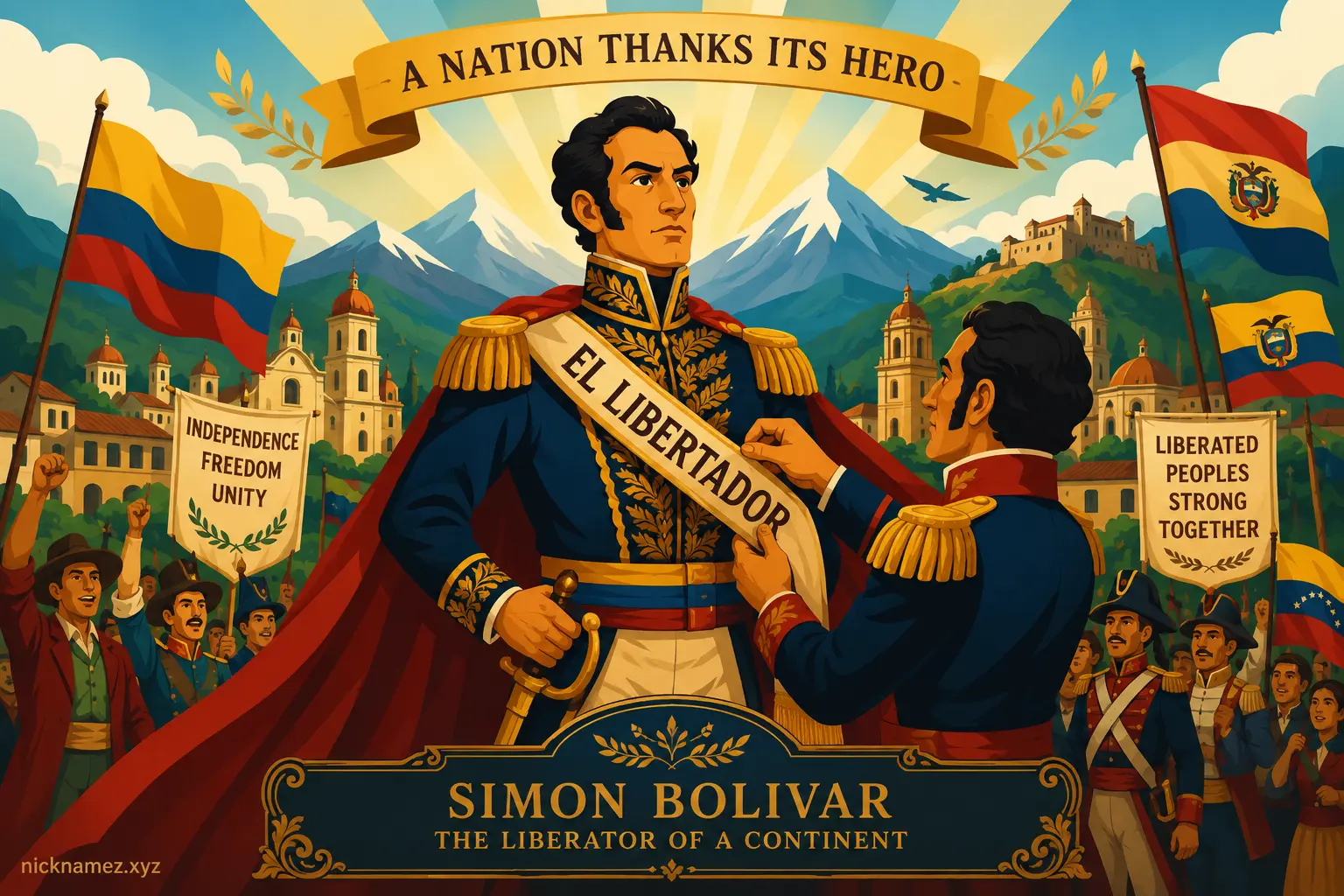
The title “El Libertador”, meaning “The Liberator,” was not simply an honorary label; it was a recognition of the tangible, historic achievements Bolivar accomplished in freeing multiple nations from colonial rule. His campaigns across Venezuela were marked by resilience, strategic brilliance, and a relentless pursuit of freedom. Bolivar’s ability to inspire loyalty among his troops and unite disparate revolutionary factions enabled him to overcome daunting odds, securing victories in battles such as Carabobo in 1821, which cemented Venezuela’s independence.
The liberation of Colombia, then part of the larger Viceroyalty of New Granada, further reinforced his reputation. Crossing the treacherous Andes mountains during the 1819 campaign, Bolivar led his forces in an audacious and risky maneuver that ultimately surprised Spanish troops, resulting in a decisive victory at the Battle of Boyacá. Each triumph not only liberated territories but also solidified the symbolic power of his nickname, making it synonymous with the very idea of independence and freedom throughout South America.
Symbolism Behind the Name
The nickname “El Libertador” embodies more than military success; it reflects Bolivar’s vision for a continent liberated not only from colonial powers but from social and political fragmentation. It resonates as a symbol of resilience, courage, and unwavering commitment to the principles of liberty. The name continues to evoke a sense of pride and identity, especially in nations that owe their sovereignty to Bolivar’s efforts. The power of the title lies in its ability to encapsulate a complex legacy in just two words; freedom and leadership.
Other Titles and Honors
“The George Washington of South America”
International observers have often drawn parallels between Simon Bolivar and George Washington, viewing both men as foundational figures in their respective regions’ independence movements. While Washington led a successful rebellion against British rule, Bolivar spearheaded the liberation of multiple nations across a vast and diverse continent, earning him this symbolic comparison. Both leaders shared qualities of vision, courage, and an enduring commitment to shaping the political futures of their nations.
Official Titles and Recognitions
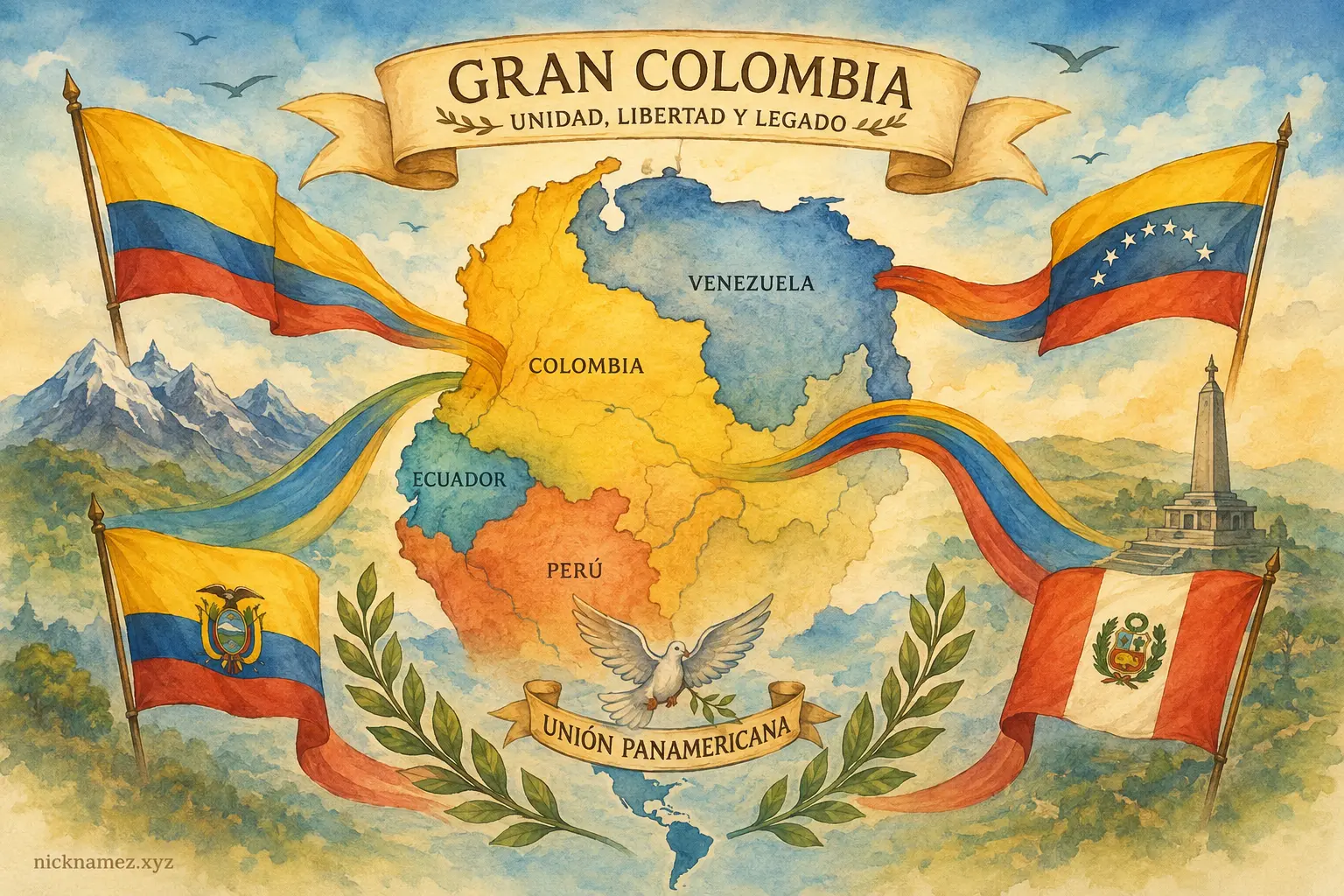
Beyond his popular nickname, Bolivar was also conferred official titles reflecting his leadership and statesmanship. These included President of Gran Colombia, a visionary federation encompassing modern-day Colombia, Venezuela, Ecuador, and Panama, and various regional honors recognizing his role as a unifying force. Bolivar’s leadership was acknowledged not only in contemporary accounts but also through a lasting legacy of official commemorations, institutions named after him, and ongoing cultural reverence.
The Influence of Bolivar’s Leadership Across South America
Military Strategies and Campaigns
Key Battles and Victories
Bolivar’s military genius is evident in his strategic mastery of diverse terrains, including mountains, plains, and jungles. Battles such as Carabobo, Boyacá, and Pichincha exemplify his tactical brilliance. He combined guerrilla tactics with formal military engagement, adapting strategies to the strengths and limitations of his forces. His ability to anticipate enemy movements and leverage local knowledge often turned the tide in seemingly impossible situations, leaving an enduring mark on military history.
Innovations in Military Tactics
Bolivar’s campaigns introduced innovative approaches to warfare in South America, including rapid troop movements, psychological strategies, and unorthodox maneuvers that kept colonial forces off balance. He understood the importance of morale, fostering loyalty through shared purpose and personal charisma. Bolivar’s approach went beyond the battlefield, encompassing political strategy, propaganda, and coalition-building to ensure sustained revolutionary momentum.
Political Vision and Reforms
Creation of Gran Colombia
One of Bolivar’s most ambitious political projects was the establishment of Gran Colombia, a federation intended to unite liberated territories under a single government. Bolivar envisioned a strong, centralized authority that could maintain stability while fostering shared identity among diverse regions. Despite eventual fragmentation due to political rivalries, the concept of Gran Colombia illustrates his forward-thinking approach to governance and regional unity.
Advocacy for Pan-American Unity
Bolivar’s influence extended beyond military conquests; he championed the idea of a united South America, free from external domination and capable of self-determination. He believed in the importance of collaboration among nations, promoting diplomatic efforts to strengthen ties between newly independent states. His vision continues to inspire discussions on regional integration and cooperation, echoing through modern initiatives such as the Union of South American Nations (UNASUR).
The Lasting Impact of Bolivar’s Nickname
Cultural and Historical Legacy
Monuments and Statues
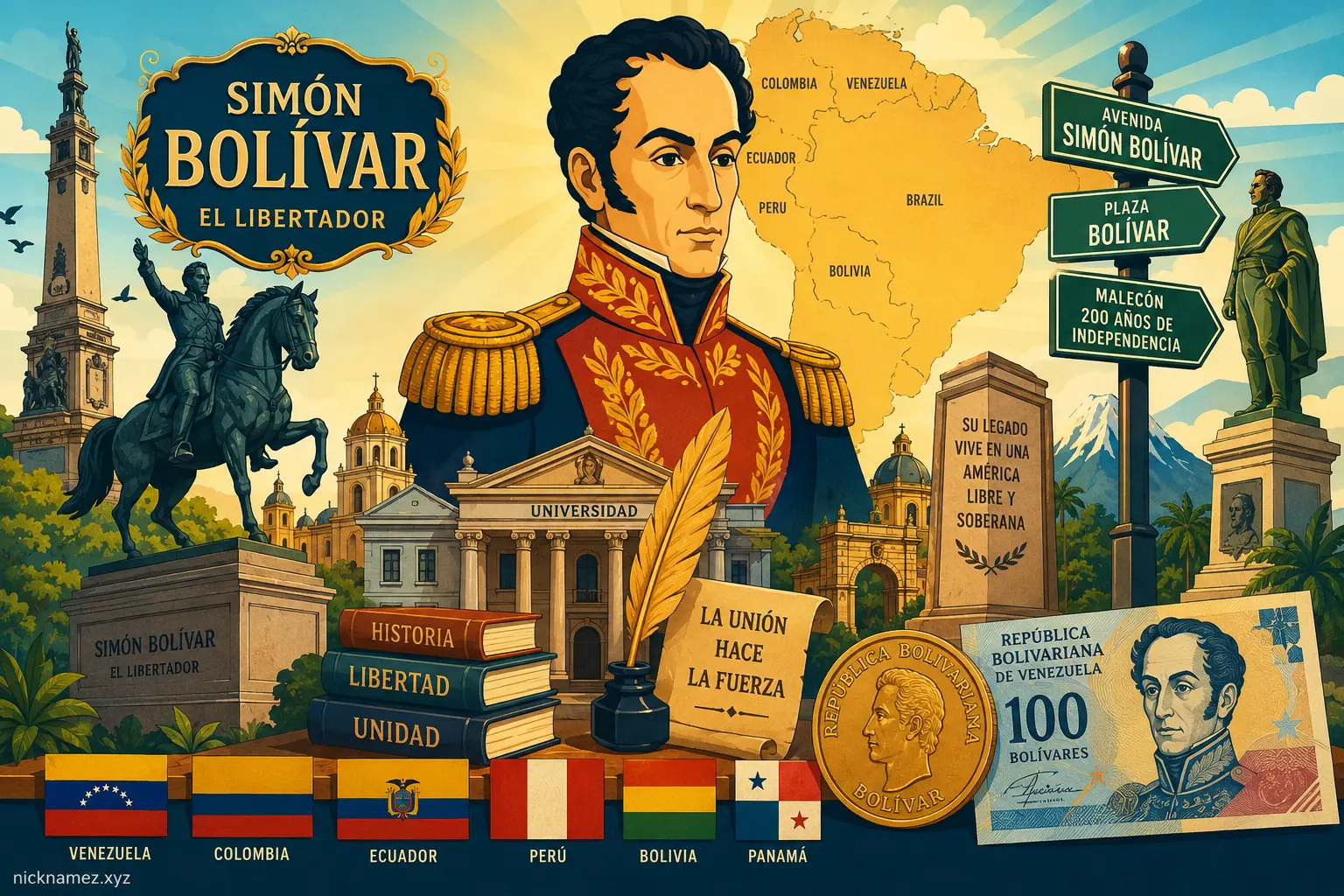
Across South America, Bolivar’s legacy is immortalized in statues, monuments, and public spaces that honor his contributions. From Caracas to Bogotá, cities celebrate his life and achievements, providing tangible reminders of his role as El Libertador. These commemorations reinforce the enduring resonance of his nickname and keep his memory alive in public consciousness.
Currency, Streets, and Institutions
Bolivar’s name graces currencies, streets, universities, and institutions throughout South America. Venezuela’s currency, the bolívar, directly honors him, symbolizing national identity and pride. Educational and cultural institutions bearing his name continue to teach new generations about the principles he fought for, ensuring the values associated with his nickname remain relevant.
Continuing Inspiration
Modern Leaders Invoking Bolivar
Bolivar’s vision continues to inspire contemporary political leaders who invoke his legacy to promote national unity, social reform, and regional collaboration. His principles of independence and sovereignty serve as guiding ideals for movements seeking to empower populations and uphold democratic values across Latin America.
Educational and Literary Influence
Bolivar’s life and accomplishments are studied in schools and universities worldwide, influencing historical research, literature, and popular culture. His nickname, El Libertador, is embedded in history textbooks, biographies, and media portrayals, perpetuating his story as a symbol of courage, leadership, and transformative change

American content creator and niche writer living in Spokane, Washington, age 26. Jasper enjoys researching emerging trends, digital tools, and educational resources while maintaining a balanced, evidence-based writing style. His background in online publishing helps him deliver useful, easy-to-understand articles for nicknamez.xyz, where he focuses on producing trustworthy content that helps readers make informed decisions.