
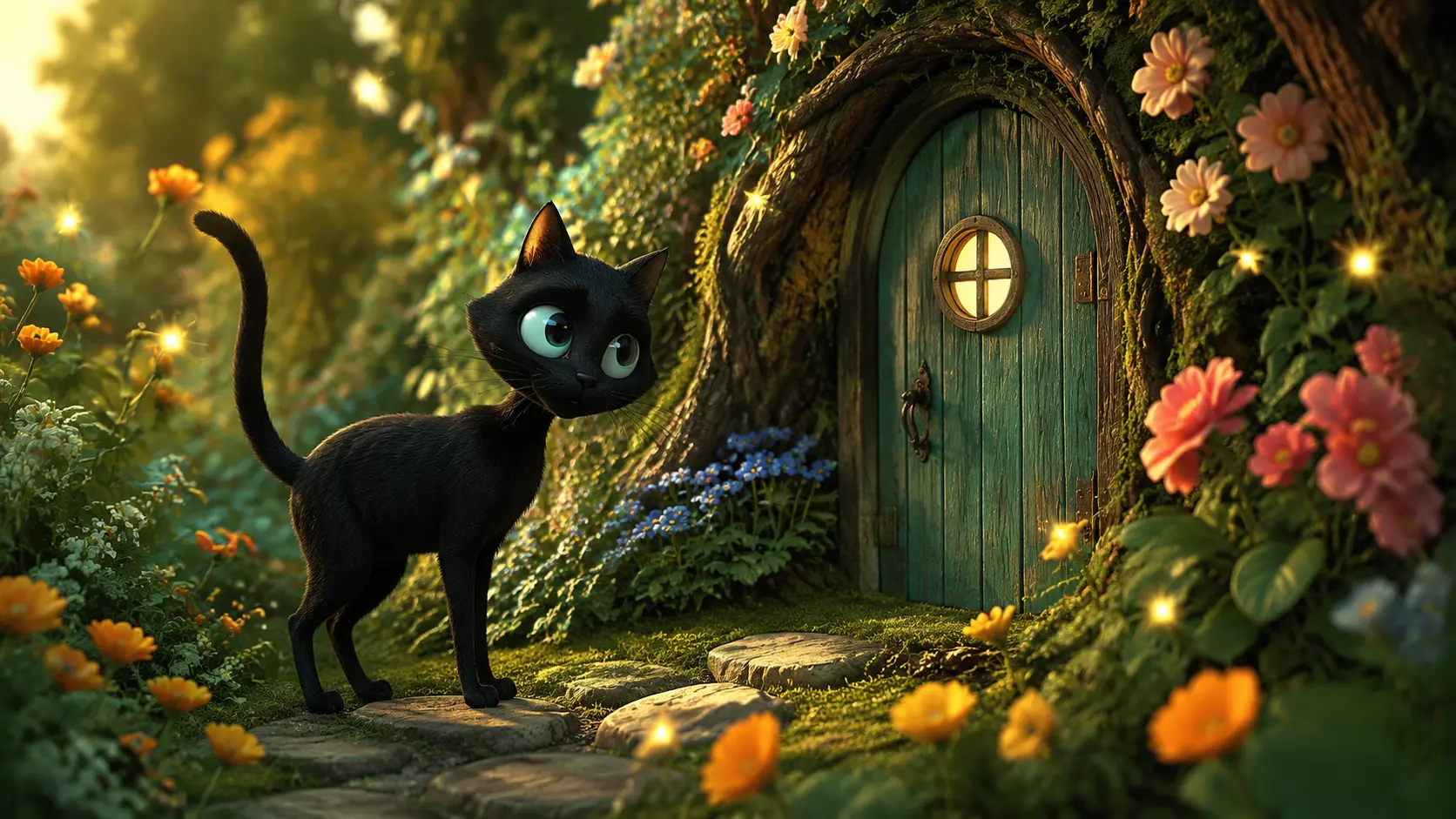
Few animated characters have managed to become as iconic without even having a real name as the mysterious black cat from Coraline and its film adaptation Coraline. The moment this sarcastic, intelligent feline appears on screen, it becomes impossible to ignore him. He slinks through shadows like smoke, speaks with eerie confidence, and somehow always seems one step ahead of everyone else. For many viewers, especially first-time audiences, the cat quickly becomes one of the most fascinating parts of the story. Strangely enough, though, one question keeps popping up among fans years after the movie’s release: what is the cat’s actual name?
The answer surprises many people because the cat technically has no official name at all. Unlike most major fictional animals, this character intentionally remains unnamed throughout the story. That creative decision was not accidental either. Author Neil Gaiman deliberately made the cat nameless to reinforce themes of identity, independence, and mystery. The cat itself even explains why names are unnecessary for creatures like him, delivering one of the most memorable lines in the entire book.
What makes this even more interesting is how deeply fans connected with the character despite the lack of a formal identity. In many ways, the absence of a name made the cat even more unforgettable. While Coraline struggles to understand who she is and what kind of courage she possesses, the cat already knows exactly what he is. He doesn’t need labels, approval, or recognition. He simply exists with absolute confidence, like a shadow that belongs to every world and none at the same time. That mystery has fueled endless discussions, theories, and interpretations for years.
The Black Cat That Stole the Spotlight
Why Viewers Instantly Connect With the Cat
There’s something magnetic about the cat from Coraline. Maybe it’s the sly grin. Maybe it’s the calm, almost amused way he reacts to terrifying situations. Or maybe it’s because he acts like the only truly fearless creature in the entire story. While nearly every character in Coraline’s world is manipulated or controlled by the Other Mother in some way, the cat walks freely between worlds without fear. That alone instantly separates him from everyone else.
Audiences often describe the cat as the emotional anchor of the movie. Coraline herself is brave, but she’s also curious, impulsive, and sometimes reckless. The cat balances her personality perfectly. He acts like a mentor without fully becoming one. Instead of giving direct answers, he nudges Coraline toward figuring things out herself. It’s similar to a chess master quietly guiding a beginner through a dangerous match while refusing to make the moves for them.
The character also benefits enormously from atmosphere and design. In the movie adaptation directed by Henry Selick, the cat’s glowing eyes and fluid movements create an unsettling elegance. His expressions shift constantly between humor and menace, making him unpredictable in the best possible way. One second he’s making a joke, and the next he’s warning Coraline about life-threatening danger.
That unpredictability gives the cat enormous screen presence. Even when he disappears for several scenes, viewers continue thinking about him. It’s a rare achievement for a supporting character. Many animated companions exist mainly for comic relief, but this cat carries philosophical weight. He raises questions about identity, courage, manipulation, and freedom while still remaining entertaining.
The Cat’s First Appearance in the Story
The cat’s introduction is deceptively simple. Coraline notices him wandering around the Pink Palace property shortly after moving into her new home. At first, he seems like an ordinary black cat. He avoids being petted, watches Coraline carefully, and disappears whenever she gets too close. This creates immediate intrigue because the cat behaves less like a pet and more like a silent observer studying her.
Once Coraline enters the Other World, everything changes. Suddenly the cat can speak. His voice feels ancient, sarcastic, and strangely calm even in horrifying circumstances. Coraline quickly realizes that the cat understands far more about the Other Mother than he initially reveals. Still, he refuses to explain everything directly. Instead, he gives cryptic hints and carefully chosen advice.
This storytelling choice works brilliantly because it mirrors the audience’s own experience. We don’t fully understand the Other World either. Like Coraline, viewers must piece together clues while trying to determine whether the cat can truly be trusted. Thankfully, his actions consistently prove that he wants to help Coraline survive, even if he enjoys teasing her along the way.
The first appearance also establishes one of the story’s strongest themes: appearances can be deceiving. The ordinary-looking cat becomes one of the most powerful figures in the narrative, while the seemingly loving Other Mother hides monstrous intentions beneath her cheerful exterior. From the beginning, the story teaches viewers not to trust surfaces alone.
Does the Cat in Coraline Have a Real Name?
The Famous Conversation About Names
One of the most quoted exchanges in Coraline happens when Coraline directly asks the cat for his name. His response instantly became legendary among fans:
“Cats don’t have names.”
When Coraline questions this strange statement, the cat explains that humans need names because they don’t truly know who they are. Cats, according to him, already understand themselves perfectly, so names are unnecessary.
It’s a surprisingly deep moment hidden inside a children’s fantasy story. On the surface, the line sounds amusing and slightly arrogant. But underneath that humor lies a profound idea about identity and self-awareness. The cat sees names as labels used by insecure beings trying to define themselves. He doesn’t need external validation because he possesses complete certainty about his own nature.
That philosophical attitude fits perfectly with the cat’s personality throughout the story. He never seeks praise. He never tries to become the hero. He helps Coraline because he chooses to, not because he wants recognition. In many ways, he behaves more like a timeless spirit than a normal animal.
The scene also explains why fans still debate the cat’s identity years later. Human beings naturally want to categorize things. We feel uncomfortable when something important lacks a clear label. By refusing to provide a name, the story forces audiences to sit with uncertainty. Ironically, that uncertainty made the character far more memorable than if he’d simply been called “Shadow” or “Midnight.”
Don’t Miss: Dog Names for Cream Colored Dogs That Stand Out Beautifully
Why the Cat Refuses to Be Named
The cat’s rejection of names symbolizes freedom from control. Throughout the story, the Other Mother attempts to possess and define everything around her. She creates fake versions of people, manipulates appearances, and literally replaces eyes with buttons to establish ownership. The cat resists all of that completely.
Unlike the trapped ghost children or the Other Father, the cat cannot be controlled. He moves between worlds freely and retains his true self at all times. His lack of a name reinforces that independence. Nobody can fully claim or categorize him.
This idea becomes even more powerful when compared to Coraline’s journey. At the start of the story, Coraline feels misunderstood and overlooked. Adults constantly mispronounce her name or ignore her feelings. Over time, she learns to define herself through bravery and choices rather than outside validation. The cat already embodies that confidence from the beginning.
There’s also a folkloric quality to nameless creatures in fantasy literature. Across myths and legends, knowing a being’s true name often grants power over them. By remaining unnamed, the cat stays mysterious and untouchable. He belongs to no one except himself.
The Meaning Behind the Nameless Character
Symbolism of Identity and Freedom
The cat’s lack of a formal name isn’t just a quirky personality trait. It represents one of the central themes running through Coraline and its film adaptation. Identity plays a huge role throughout the story. Coraline constantly encounters distorted versions of reality designed to manipulate her desires and emotions. The Other Mother tries to reshape Coraline into someone obedient and controllable. Against that backdrop, the cat’s unwavering sense of self becomes incredibly important.
Think about how different the cat is from nearly every other character in the Other World. The Other Father is essentially a puppet. The ghost children lost themselves completely after surrendering to the Beldam. Even the environment itself changes based on illusion and manipulation. The cat alone remains authentic. He never transforms into a false version of himself because he already possesses complete freedom.
This freedom makes the cat feel almost mythological. He resembles trickster figures found in folklore around the world; wise creatures who exist outside ordinary rules and guide heroes through dangerous journeys. Like a raven in Norse mythology or a fox spirit in Japanese legends, the cat operates according to mysterious knowledge beyond human understanding.
His namelessness also mirrors how cats behave in real life. Anyone who has ever owned a cat knows they often act as though humans merely occupy their territory temporarily. The cat in Coraline exaggerates this natural feline independence into something philosophical. He refuses labels because labels imply ownership, and ownership is exactly what the Other Mother craves most.
How the Cat Differs From Other Characters
One reason the cat feels so unforgettable is because he contrasts sharply with everyone else in the story. Coraline is emotional and curious. Her parents are distracted and exhausted. The Other Mother is obsessive and manipulative. The cat, meanwhile, remains calm and detached almost all the time.
That emotional control gives him enormous presence. Even in terrifying scenes, the cat rarely panics. He treats danger like an unpleasant inconvenience rather than an overwhelming threat. This attitude reassures Coraline while simultaneously making viewers wonder exactly what kind of creature he truly is.
The cat also stands apart because he never lies to Coraline. He may withhold information, but he doesn’t deceive her. In a story built around illusions and traps, honesty becomes incredibly valuable. The cat serves as one of the few reliable anchors in a constantly shifting reality.
Visually, the contrast is equally striking in the film adaptation. The Other World bursts with exaggerated colors and bizarre imagery, while the cat’s sleek black design remains simple and grounded. He moves through surreal environments like a living shadow, reinforcing the idea that he exists outside the Other Mother’s influence.
Why the Cat Stands Out in Coraline
Intelligence and Sarcastic Humor
Part of what makes the cat so beloved is his personality. He’s intelligent without becoming arrogant, funny without turning into comic relief, and mysterious without feeling emotionally distant. That balance is incredibly difficult to achieve in storytelling.
The cat’s sarcasm gives the story much-needed tension relief. Coraline faces horrifying situations involving trapped souls, monstrous creatures, and psychological manipulation. Without moments of humor, the atmosphere could become overwhelmingly dark. The cat’s dry remarks act like tiny flashes of light inside a nightmare.
At the same time, his humor never undermines the stakes. He doesn’t crack jokes just to entertain the audience. His sarcasm feels natural because it reflects his worldview. The cat sees through illusions and refuses to be intimidated by theatrics. To him, the Other Mother’s elaborate fantasy world is essentially a dangerous performance.
Fans especially love how the cat challenges Coraline intellectually. He doesn’t simply protect her. He pushes her to think critically and act courageously. Instead of solving problems for her, he encourages her to solve them herself. That mentorship style makes Coraline’s eventual victory feel earned rather than handed to her.
The Cat as Coraline’s Guide
In many fantasy stories, heroes receive guidance from wise mentors. In Coraline, the cat fills that role in a uniquely subtle way. He’s not a traditional teacher delivering grand speeches about destiny. Instead, he behaves more like a survival guide helping Coraline navigate hostile territory.
One of his most important lessons involves fear. The cat doesn’t tell Coraline not to be afraid. Instead, he teaches her that courage means acting despite fear. That idea becomes central to Coraline’s character development. She gradually realizes bravery isn’t the absence of terror; it’s the decision to move forward anyway.
The cat also helps Coraline understand the rules of the Other World. He warns her that creatures like the Other Mother love games and challenges. This information ultimately gives Coraline the strategy she needs to survive. Without the cat’s guidance, she likely would have fallen directly into the Beldam’s trap.
Their relationship becomes one of mutual respect over time. At first, Coraline finds the cat irritating and cryptic. By the end, she understands that his strange behavior comes from wisdom rather than cruelty. The cat believes Coraline is capable of handling difficult truths, and that belief helps her grow stronger.
Key Moments That Reveal the Cat’s Importance
Warning Coraline About the Other Mother
One of the earliest signs that the cat is more than an ordinary animal comes when he warns Coraline about the Other Mother. He never fully explains who or what the Beldam is, but he makes it clear that Coraline is in serious danger. His caution feels genuine, especially because he doesn’t benefit personally from helping her.
This warning scene establishes the cat as a protective force in the narrative. He recognizes the Other Mother’s manipulative tactics immediately, likely because he has encountered beings like her before. His knowledge suggests a long history connected to supernatural worlds and dangerous entities.
The emotional impact of these scenes becomes stronger during repeat viewings. Once audiences understand the true horror of the Other Mother’s intentions, the cat’s cryptic advice suddenly feels much more urgent. He was trying to protect Coraline from a fate worse than death long before she fully understood the threat herself.
Trending: Magical Names from Harry Potter for Dogs You Will Love
Helping Coraline Escape Danger
The cat repeatedly risks himself to help Coraline survive. One of the clearest examples occurs near the climax when he attacks the Other Mother directly, distracting her long enough for Coraline to escape. It’s a surprisingly brave act because the cat clearly understands how dangerous the Beldam truly is.
What makes this moment powerful is the contrast between the cat’s detached personality and his willingness to sacrifice himself when necessary. He pretends not to care deeply about anyone, yet his actions consistently prove otherwise. Beneath the sarcasm and aloof behavior lies genuine loyalty.
This duality reflects real feline behavior in an exaggerated fantasy form. Cats often appear independent and emotionally distant, but they can also become fiercely protective companions. The story taps into that familiar contradiction beautifully.
The Final Battle Against the Beldam
The climax of Coraline showcases the cat at his absolute best. During Coraline’s final confrontation with the Other Mother, the cat becomes a direct weapon against evil. His attack blinds the Beldam temporarily and creates the opportunity Coraline needs to escape.
This scene cements the cat’s role as far more than a side character. Without him, Coraline likely would not survive. Yet even after helping save the day, he doesn’t seek gratitude or celebration. True to his nature, he simply returns to the shadows once the danger passes.
That quiet exit perfectly captures why the character resonates so strongly with audiences. Heroes who demand recognition often feel less authentic than those who help because it’s simply the right thing to do. The cat remains mysterious to the very end, and that mystery keeps him alive in fans’ imaginations.
Differences Between the Book and Film Versions
The Cat in Neil Gaiman’s Novel
In Coraline, the cat feels especially eerie and ancient. Neil Gaiman writes him with minimal emotional exaggeration, which makes his appearances more unsettling. He behaves almost like a supernatural observer studying human behavior with detached curiosity.
The novel focuses heavily on psychological tension, so the cat’s mysterious dialogue carries enormous weight. Readers never fully understand his origins, powers, or limitations. That ambiguity enhances the horror atmosphere because it suggests hidden layers of reality beyond Coraline’s understanding.
Book readers often describe the cat as colder and more cryptic than his film counterpart. He still helps Coraline, but he feels less openly affectionate. This version emphasizes wisdom and mystery over emotional warmth.
The Cat in Henry Selick’s Film Adaptation
The movie adaptation directed by Henry Selick gives the cat more personality and humor. His facial expressions, body language, and sarcastic dialogue make him instantly charismatic. The film leans into the playful aspects of the character without losing his mysterious edge.
Animation also allows the cat to move in surreal ways that enhance his supernatural qualities. He appears and disappears almost magically, blending into shadows and traversing impossible spaces with graceful ease. These visual choices make him feel dreamlike and unpredictable.
The movie additionally expands the emotional bond between Coraline and the cat. Their interactions feel warmer and more personal, which helps younger audiences connect with the story emotionally.
Keith David’s Voice Performance
A huge reason the cat became so iconic in the film is the voice performance by Keith David. His deep, smooth voice gives the character enormous authority and charm. Every line sounds intelligent, amused, and slightly dangerous all at once.
Voice acting can completely transform animated characters, and Keith David’s performance elevated the cat into something unforgettable. Fans frequently cite his delivery as one of the best parts of the movie. His calm confidence perfectly matches the character’s mysterious nature.
The performance also helps balance the film’s tone. The cat sounds reassuring during tense moments while still maintaining an edge of unpredictability. That combination makes audiences trust him without ever fully understanding him.
Fan Theories and Popular Interpretations
Is the Cat a Supernatural Being?
Fans have spent years debating what the cat actually is. The story never provides a direct explanation, which opened the door for countless interpretations. Many viewers believe the cat is some kind of interdimensional guardian protecting children from supernatural threats.
Others interpret him as a spirit guide or symbolic representation of intuition. Since Coraline often ignores warning signs early in the story, the cat may represent the voice of instinct urging her to trust her judgment instead of seductive illusions.
Some fans even argue that the cat belongs to the Other World originally but rejected the Beldam’s control. His ability to move freely between dimensions certainly suggests connections beyond ordinary reality.
The Morpheus Theory and Other Speculations
One of the most popular fan theories links the cat to Morpheus from another Neil Gaiman series, The Sandman. Fans noticed similarities between the two characters, especially their connection to dreams, alternate realities, and black cat imagery. Recent Reddit discussions continue exploring this theory enthusiastically.
While there’s no confirmed canon connection, theories like this demonstrate how deeply the character captured people’s imaginations. The cat feels larger than the story itself, almost like he wandered into Coraline from some older myth or cosmic narrative.
Other fan theories suggest the cat represents death, fate, or forgotten childhood wisdom. The beauty of the character lies in how many interpretations remain possible. Because the story never fully explains him, audiences continue filling the gaps with their own ideas.
Why the Cat Remains One of Coraline’s Most Memorable Characters
The Lasting Impact on Pop Culture
Years after the release of Coraline, the cat remains one of the film’s most recognizable elements. Fans constantly share quotes, artwork, cosplay, and theories focused on the mysterious feline. His design became instantly iconic thanks to the glowing eyes, sleek silhouette, and unforgettable voice performance.
The character also benefited from the movie’s growing cult status. Although Coraline was already successful upon release, its popularity exploded over time through streaming platforms, social media discussions, and fan communities. The cat naturally became central to those conversations because he embodies so much of the story’s atmosphere and mystery.
In many ways, the cat represents the perfect supporting character. He never overshadows Coraline emotionally, but he enriches every scene he appears in. Like seasoning in a great meal, his presence enhances everything around him without dominating the entire experience.
Why Fans Still Talk About the Cat Today
The reason fans still obsess over the cat comes down to mystery. Modern storytelling often explains everything in exhausting detail. Coraline does the opposite. It leaves questions unanswered and trusts audiences to think for themselves.
The cat symbolizes that mystery perfectly. We never learn his origin. We never discover his true limits. We never even get a name. Yet somehow, those unanswered questions make him feel more real rather than less.
People remember characters who leave space for imagination. The cat from Coraline does exactly that. He lingers in viewers’ minds like a shadow disappearing around a corner; gone before you fully understand him, but impossible to forget.
Conclusion
The cat in Coraline and Coraline has no official name, and that decision is one of the smartest creative choices in the entire story. His namelessness reflects independence, mystery, and complete self-awareness. While Coraline spends the story discovering her courage and identity, the cat already knows exactly who he is.
What truly makes the character unforgettable is how many roles he fulfills simultaneously. He’s a guide, protector, philosopher, comedian, and supernatural mystery all wrapped into one sleek black feline. Whether through his sarcastic dialogue, cryptic wisdom, or fearless actions against the Other Mother, the cat consistently steals every scene he enters.
Fans continue discussing the character because he represents something rare in modern storytelling: genuine mystery. Not every question needs an answer. Sometimes the unknown becomes the most powerful part of a story. Like the cat himself, some things are more fascinating when they remain just beyond complete understanding.
FAQs
Does the cat in Coraline actually have a name?
No, the cat never receives an official name in either the book or film. He specifically states that cats do not need names because they already know who they are.
Why can the cat talk in the Other World?
The story never fully explains this ability. Many fans believe the Other World changes reality in supernatural ways, allowing the cat to communicate verbally there.
Is the cat evil in Coraline?
No, the cat consistently helps Coraline throughout the story. Although he can seem sarcastic and mysterious, his actions prove he wants to protect her from the Other Mother.
Who voiced the cat in the Coraline movie?
The cat was voiced by Keith David in the 2009 film adaptation. His performance became one of the movie’s most praised elements.
Is the cat stronger than the Other Mother?
The story suggests the cat possesses special abilities and knowledge, but it never confirms whether he is truly more powerful than the Beldam. He can resist her influence, which already makes him incredibly unusual.

American content writer and blogger based in Boise, Idaho, age 29. Dorian specializes in creating well-researched digital content focused on lifestyle, technology, and online resources. With several years of professional writing experience, he is known for translating complex topics into practical, reader-friendly articles. He regularly contributes editorial content for nicknamez.xyz while emphasizing accuracy, transparency, and trustworthy research.