
Language changes fast. One day a word means one thing, and the next day it suddenly takes on a completely different personality online. That is exactly what happened with the word “type.” Traditionally, the dictionary defines type as a category, class, or group of people or things. But in modern slang, especially across TikTok, Instagram, Snapchat, texting culture, and memes, the meaning has become far more personal and emotional.
When someone says, “She’s my type,” they usually are not talking about categories anymore. They are talking about attraction, chemistry, personality, or even a vibe. In some situations, the word can refer to romantic preferences. In others, it may describe aesthetics, energy, or social compatibility. The meaning often shifts depending on tone, platform, and context.
Before diving deeper, let’s organize the topic clearly.
The Traditional Dictionary Meaning Of Type
How Dictionaries Define The Word
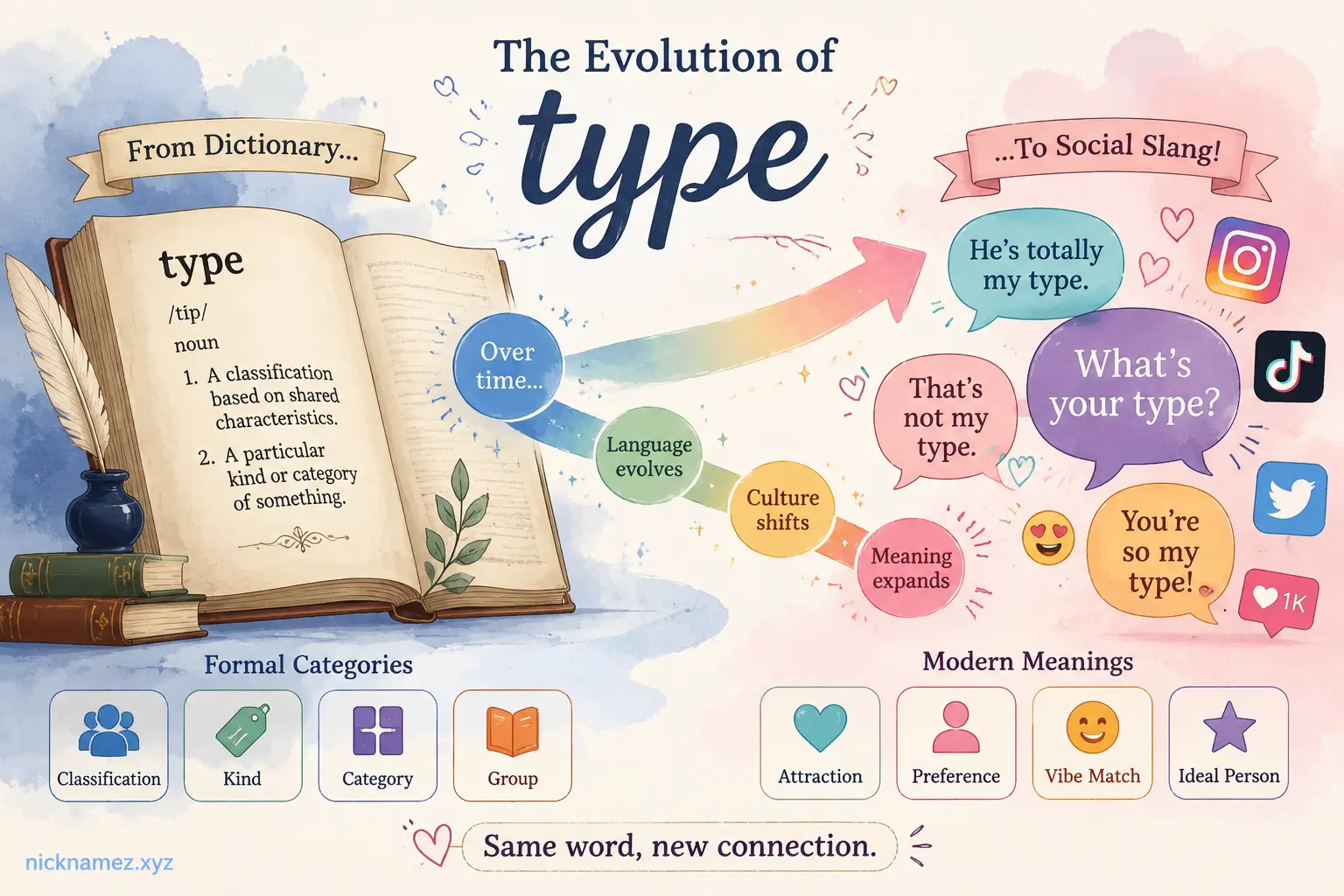
Long before slang transformed the word, type had a straightforward meaning. Dictionaries usually define it as a category, class, or group sharing common characteristics. For example, people talk about different “types” of cars, personalities, foods, or writing styles. In school, you might hear phrases like “types of animals” or “types of clouds.” The meaning is practical, organized, and logical. It helps people sort information into neat little boxes.
That original meaning still quietly exists underneath the slang version we use today. Even when someone says, “He’s my type,” they are technically still categorizing someone. The difference is that the category has become emotional instead of academic. Instead of sorting objects or ideas, people are sorting attraction, chemistry, and compatibility. It is almost like the word evolved from a filing cabinet into a dating filter.
Language works this way all the time. Words rarely disappear completely. Instead, they stretch and adapt like elastic bands. The slang meaning of type grew naturally from the dictionary definition because attraction itself often involves patterns. People notice recurring qualities they like in others, whether that means confidence, humor, tattoos, kindness, intelligence, or style. Over time, saying “that’s my type” became shorthand for “that person matches the qualities I usually find attractive.”
This transformation also explains why the slang feels instantly understandable, even to people hearing it for the first time. The connection between categories and preferences is surprisingly intuitive. You do not need a dictionary to understand that “my type” means “someone who fits what I like.”
Why The Original Meaning Still Matters
The dictionary meaning matters because context changes everything. Sometimes people still use the word in the traditional sense while others interpret it as slang. Imagine someone saying, “That’s not my type of movie.” They are not talking about romance at all. They simply mean the genre or style does not match their preferences.
This overlap is one reason why the word feels so flexible online. Social media users love words that can carry multiple meanings at once. A single phrase can sound playful, flirty, sarcastic, or serious depending on tone. The word type functions almost like a social chameleon, blending into different conversations while keeping the same core idea: preference.
The original meaning also helps explain why the slang expanded beyond dating. Today, people use type for music, aesthetics, fashion, personalities, humor, and even energy. Someone might say, “That cozy café is my type,” or “That song is so my type.” The word no longer belongs exclusively to romantic attraction. Instead, it signals personal taste in a broader sense.
Modern slang constantly borrows from ordinary language because familiar words spread faster online. Users do not want complicated expressions that require explanation. They want quick phrases that instantly communicate emotion and identity. That is exactly why type became such a powerful slang term in digital culture.
What Type Means In Modern Slang
The Shift From Categories To Attraction
In modern slang, type usually refers to the kind of person someone finds attractive, interesting, or emotionally appealing. This is the most common usage across texting, dating conversations, and social media platforms. If somebody says, “She’s exactly my type,” they are basically saying that person matches their ideal preferences.
What makes this slang interesting is how broad it can be. Sometimes “type” refers to physical appearance. Other times it refers to personality traits or emotional energy. One person’s type might be “quiet and artistic,” while another prefers “funny and outgoing.” It is deeply personal, which explains why conversations about “types” often reveal a lot about someone’s identity.
There is also a playful side to the phrase. Friends constantly tease each other about their “type.” If someone repeatedly dates musicians, athletes, or introverts, their social circle notices patterns. Suddenly every new crush gets compared against the same invisible checklist. It becomes almost like a running joke. Humans naturally look for patterns, and slang turns those patterns into entertainment.
Social media amplified this trend massively. Platforms like TikTok thrive on quick emotional communication. Instead of writing long explanations about attraction, users simply comment “my type” under a video or photo. Two words can communicate admiration, flirtation, relatability, and humor all at once. That efficiency is pure internet culture.
Another reason the slang spread so quickly is because it feels softer than direct flirting. Saying “you’re my type” sounds less intense than saying “I’m obsessed with you.” It leaves room for ambiguity. The phrase acts like emotional middle ground; confident enough to show attraction but casual enough to avoid vulnerability.
Why Younger Generations Use It Constantly
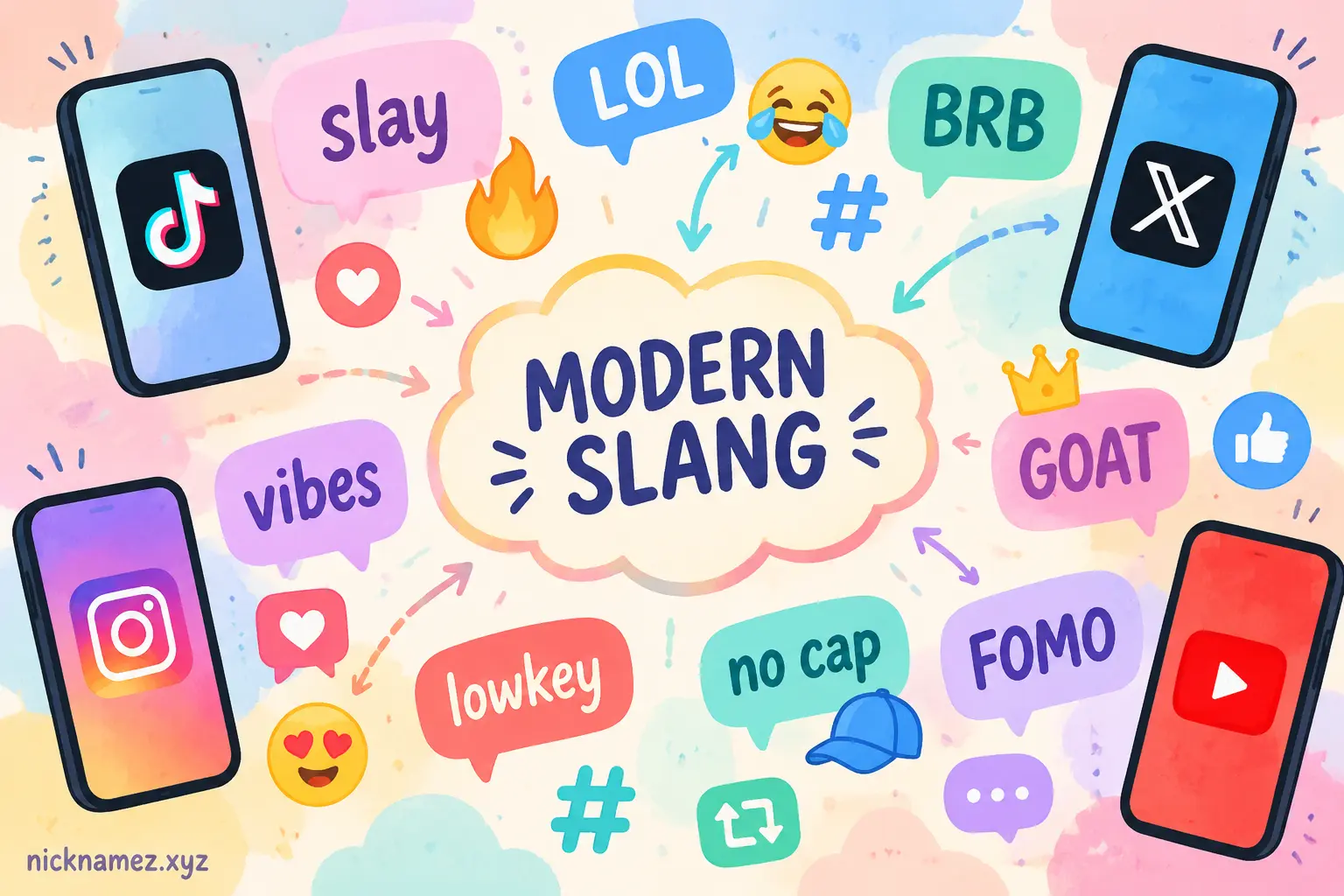
Gen Z and younger millennials grew up online, where communication moves at lightning speed. Slang becomes social currency. The faster and more relatable a phrase is, the more likely it spreads. Type fits perfectly into that ecosystem because it is short, flexible, and emotionally expressive.
TikTok especially helped popularize phrases like “that’s my type” and “type energy.” Viral videos, memes, and trends pushed the term into mainstream culture. Even music played a role. Songs like “My Type” by Saweetie reinforced the phrase in pop culture and internet humor.
Younger users also enjoy language that feels adaptable. The word can be sincere one second and ironic the next. Someone might genuinely say, “Tall people are my type,” while another person jokingly comments, “Emotionally unavailable people are my type unfortunately.” That mix of humor and honesty reflects modern internet communication perfectly.
Another important factor is identity. Online culture encourages people to constantly define themselves through preferences. Favorite music, favorite aesthetics, favorite foods, favorite relationship dynamics; everything becomes part of personal branding. Saying “this is my type” is not just about attraction anymore. It is about self-expression.
The slang also creates instant social bonding. If two people share the same “type,” they immediately feel connected. It is similar to discovering shared taste in movies or music. Human beings naturally enjoy feeling understood, and slang provides shortcuts for that connection.
What People Mean When They Say “My Type”
Romantic Preferences
The most common interpretation of “my type” relates to romantic attraction. When someone says another person is their type, they usually mean that individual matches qualities they find appealing in dating or relationships. These qualities can include appearance, personality, confidence, humor, intelligence, or emotional energy.
Romantic preferences are incredibly subjective. One person might be drawn to calm and thoughtful personalities, while another loves loud, spontaneous energy. That subjectivity is exactly why the phrase works so well. It avoids overexplaining attraction. Instead of listing twenty characteristics, people simply say “my type.”
Interestingly, many people discover their “type” through patterns rather than conscious decisions. They notice similarities between crushes, relationships, or fictional characters they admire. Over time, those recurring traits become part of an internal attraction blueprint. Saying “that’s my type” is basically acknowledging that blueprint out loud.
The phrase also creates emotional distance when necessary. Saying “not my type” often sounds kinder than outright rejection. It frames attraction as personal preference instead of criticism. That softer tone explains why the expression appears frequently in dating culture and conversations about compatibility.
Social media made romantic preferences even more visible. People publicly discuss their “types” through memes, edits, celebrity crush lists, and TikTok trends. Attraction has become part entertainment, part identity, and part social interaction online.
Personality And Emotional Attraction
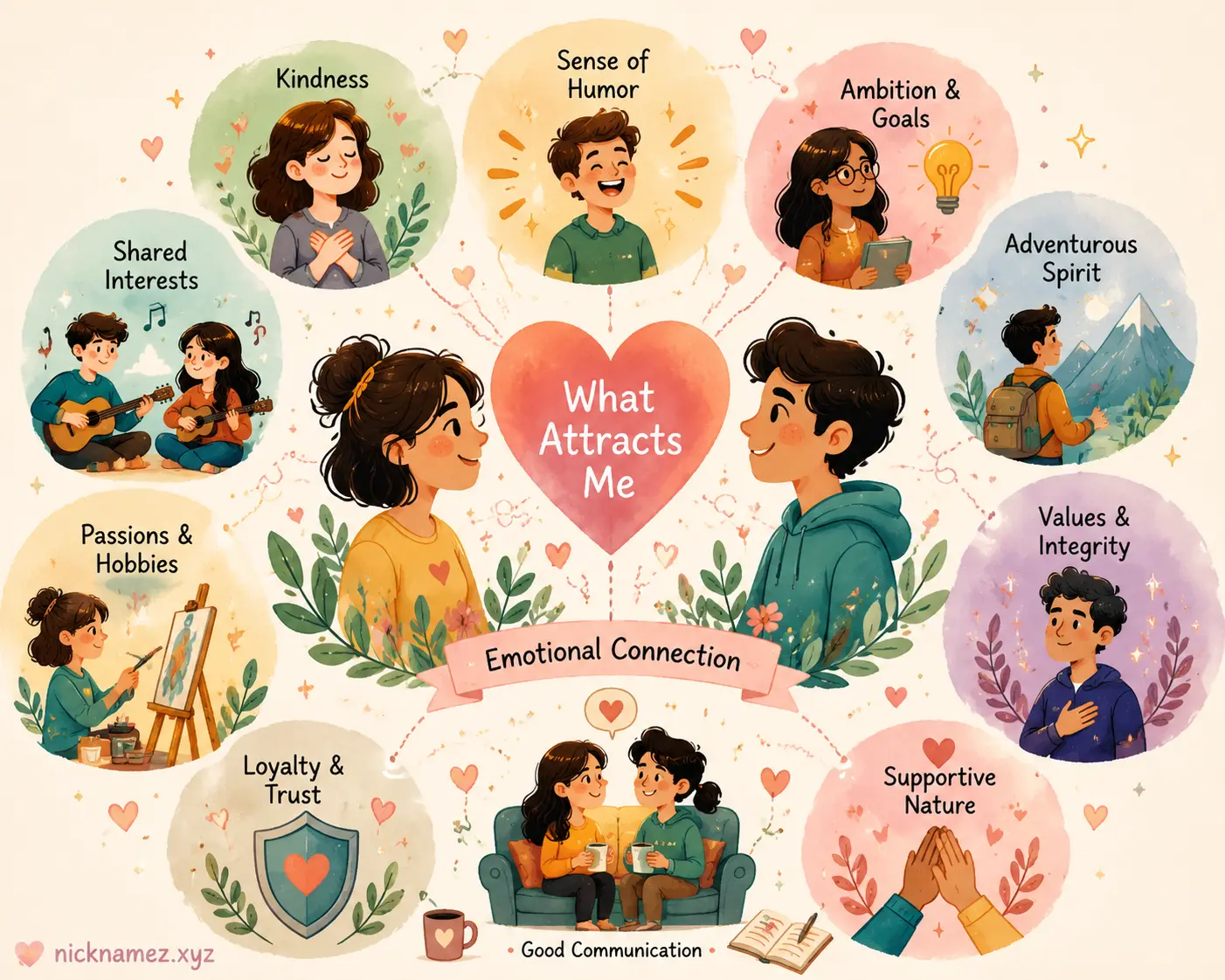
Physical appearance is only one piece of the puzzle. Many people use “type” to describe emotional or personality-based attraction. Someone may say, “Kind people are my type,” or “I love people who make me laugh.” In these cases, the focus shifts from looks to emotional connection.
This emotional aspect matters because attraction is rarely one-dimensional. Humans connect through humor, empathy, intelligence, shared interests, and communication style. Sometimes a person becomes “your type” because of how they make you feel rather than how they look.
Internet culture increasingly celebrates personality-driven attraction too. Terms like “golden retriever energy” or “quiet confidence” show how detailed online discussions about personality preferences have become. People analyze emotional compatibility almost like character archetypes in movies.
There is also an aspirational side to attraction. Sometimes people are drawn toward qualities they admire or wish they possessed themselves. Confidence attracts insecure people. Calmness attracts anxious people. Adventure attracts routine-driven people. Attraction often acts like a mirror reflecting emotional needs.
That complexity explains why the slang remains so popular. The phrase is simple, but the emotions behind it are layered. Two words can contain an entire history of experiences, relationships, insecurities, and desires.
The Role Of Attraction And Preferences
How Personal Experiences Shape Someone’s Type
Nobody is born with a fixed “type.” Preferences usually develop over time through experiences, relationships, culture, and environment. Childhood influences, friendships, movies, celebrity crushes, and even social media algorithms all quietly shape attraction.
Think about it like music taste. Very few people wake up one day randomly deciding their favorite genre. Preferences grow through exposure and emotional experiences. Attraction works similarly. Positive experiences with certain personality traits create emotional associations that influence future preferences.
Cultural trends also shape what people consider attractive. Different generations celebrate different aesthetics and relationship dynamics. Social media accelerates these shifts dramatically. One viral trend can suddenly make a specific “type” popular online for months.
Personal growth changes preferences too. Someone who once valued excitement might later prioritize emotional stability. Teenagers and adults often describe completely different “types” because life experiences reshape emotional priorities.
This evolution is important because many people treat “types” like permanent rules. In reality, attraction is flexible. Humans constantly surprise themselves emotionally. People often end up connecting deeply with someone who initially seemed outside their usual preferences.
Why Preferences Change Over Time
Preferences shift because people change. Emotional maturity, heartbreak, confidence, career goals, and life circumstances all influence attraction. What feels exciting at one stage of life may feel exhausting later.
Social media reflects this evolution constantly. Many viral jokes revolve around changing “types.” Someone might laugh about once chasing “bad boys” but now preferring emotionally available partners. Humor becomes a way of processing growth.
Another reason preferences evolve is exposure. The more people meet different personalities and lifestyles, the more nuanced attraction becomes. Younger people often describe attraction in simplistic terms, while older adults focus more on compatibility, communication, and shared values.
Internet culture also encourages experimentation with identity and attraction. People are exposed to diverse personalities, aesthetics, and relationship dynamics daily. This exposure broadens perspectives and challenges fixed ideas about what someone’s “type” should be.
The flexibility of attraction is actually healthy. Rigid preferences can limit emotional connection, while openness creates room for meaningful relationships. That is why the phrase “not my usual type” appears so often in romantic stories and social media discussions.
How The Word Type Appears On Social Media
TikTok Trends And Viral Captions
TikTok transformed the slang usage of type into a viral communication style. Users constantly post videos with captions like “this is my type unfortunately” or “when your type walks into the room.” These captions blend humor, relatability, and attraction into short punchy phrases.
One reason TikTok boosted the term is because the platform rewards emotional relatability. Users scroll quickly, so captions need to communicate instantly. “My type” works perfectly because almost everyone understands attraction and preferences.
TikTok trends also encourage exaggeration. People joke about absurdly specific “types,” like liking emotionally distant gamers, overprotective fictional villains, or people who look permanently tired. Humor makes attraction feel less serious and more entertaining.
Music trends reinforced the phrase too. Viral audio clips often center around attraction or aesthetics, making “type” captions even more common. The phrase became woven into meme culture itself.
Instagram Comments And Memes
Instagram comments are full of phrases like “literally my type” or “this aesthetic is my type.” Unlike TikTok, Instagram often focuses more on visuals and curated identity. Here, the word extends beyond people into fashion, interior design, photography, and lifestyle branding.
Memes also turned “type” into self-aware humor. People exaggerate their patterns in relationships by joking about repeatedly falling for the same emotionally chaotic personalities. These memes resonate because many people recognize their own habits in them.
The slang works especially well in meme culture because it combines vulnerability with humor. Admitting attraction directly can feel awkward, but memes soften the emotional exposure.
Text Messages And Dating Apps
In texting culture, “type” acts like conversational shorthand. Instead of lengthy explanations, people quickly communicate attraction with phrases like “you’re my type” or “not usually my type but…” The simplicity makes conversations feel natural and modern.
Dating apps rely heavily on preference-based language too. Users constantly discuss “types” while evaluating compatibility. Swiping culture encourages fast judgments, making shorthand attraction language even more useful.
Interestingly, the phrase can sometimes feel flirty without sounding overly intense. That balance explains why it thrives in online dating environments where people want to appear confident but casual.
Variations And Related Expressions
“Not My Type”
“Not my type” is one of the most common variations. It usually means someone does not match a person’s romantic or personal preferences. Importantly, it does not necessarily mean the other person is unattractive or bad. It simply signals incompatibility.
The phrase often sounds gentler than direct criticism because it frames attraction as subjective. People use it to avoid harsh rejection while still expressing disinterest.
Online, the phrase also appears jokingly. Someone might say, “Responsible adults are not my type apparently,” turning personal patterns into humor.
“Exactly My Type”
This expression intensifies attraction. Saying someone is “exactly my type” means they strongly match someone’s ideal preferences. It suggests excitement, chemistry, or emotional resonance.
Social media users often exaggerate this phrase dramatically. Comments like “this is painfully my type” or “why is this exactly my type” blend humor with genuine attraction.
“Type Energy” And “Type Shii”
Modern slang keeps evolving. Phrases like “type energy” describe vibes or personalities someone finds appealing. Meanwhile, terms like “type shii” emerged from internet culture and casual texting styles.
These variations show how slang constantly mutates online. Words branch into new meanings, memes, and expressions depending on platform culture.
Situations Where The Meaning Can Shift
Friendly Conversations
Among friends, “type” conversations are often playful. People tease each other about predictable crushes or celebrity preferences. These discussions become part of group humor and bonding.
Romantic Contexts
In romantic settings, the phrase can carry emotional weight. Saying “you’re my type” may signal flirtation, compatibility, or romantic interest. Tone matters enormously here.
Sarcasm, Humor, And Irony
Internet culture thrives on irony. People frequently use “type” sarcastically to joke about toxic habits, fictional crushes, or unrealistic standards. The humor works because audiences recognize the exaggeration.
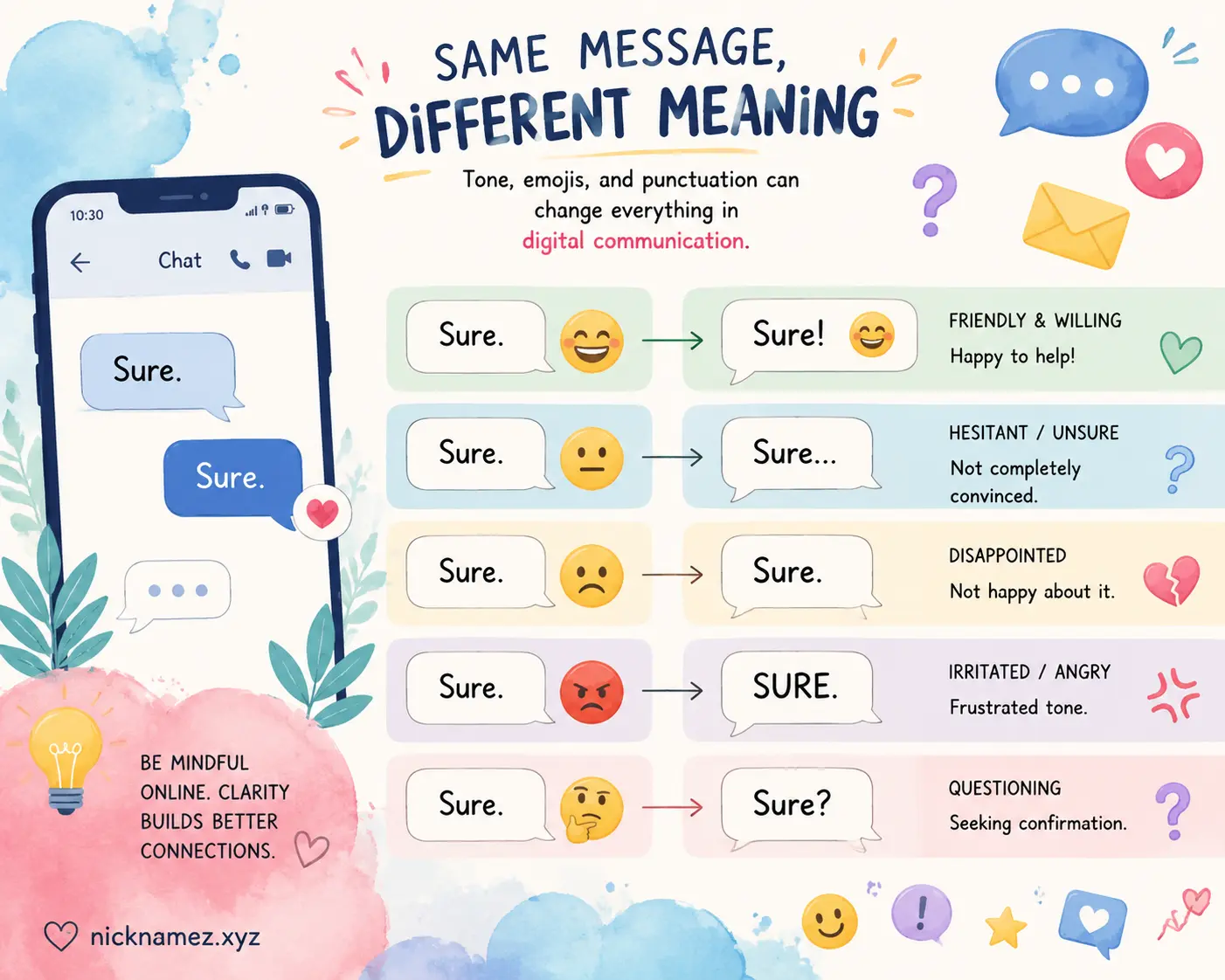
Understanding The Phrase In Context
Reading Tone And Emojis
Context changes everything. Emojis, punctuation, tone, and platform all influence meaning. “You’re my type 😍” feels flirtatious, while “that chaos is my type 💀” sounds humorous and self-aware.
Digital communication relies heavily on emotional cues because text alone lacks body language. Emojis and slang fill that gap.
Online Culture And Generational Language
Every generation reshapes language to match cultural trends. Gen Z especially values expressive, flexible slang that communicates identity quickly. The word type fits perfectly into this communication style because it combines humor, attraction, personality, and aesthetics in one compact phrase.
As online culture continues evolving, the meaning will likely keep expanding too. That is the nature of internet slang: constantly shifting, adapting, and reinventing itself.
Conclusion
The slang meaning of type goes far beyond the dictionary definition of categories or groups. In modern digital culture, it has become a shorthand way to describe attraction, personality preferences, emotional compatibility, aesthetics, and even humor. Whether someone says “you’re my type,” “not my type,” or “that’s my type of vibe,” the phrase usually reflects personal taste and emotional connection.
Social media platforms like TikTok, Instagram, and Snapchat helped transform the word into a cultural staple. Memes, dating conversations, viral trends, and internet humor gave the term flexibility and personality. What once sounded formal now feels deeply personal and expressive.
The beauty of slang is that it evolves alongside human behavior. The word type continues changing because attraction, identity, and online communication are always changing too. Understanding the phrase in context helps decode modern conversations and reveals how language adapts to digital culture in surprisingly creative ways.
FAQs
What does “my type” mean in slang?
“My type” usually means someone who matches a person’s romantic, emotional, or aesthetic preferences. It often refers to attraction and compatibility.
Is “type” only used for dating?
No. People also use it for music, fashion, aesthetics, humor, personalities, and lifestyles. Someone can say a movie or outfit is “their type.”
What does “not my type” mean?
It means someone or something does not match a person’s preferences or attraction style. It is usually less harsh than direct rejection.
Why is the word “type” popular on TikTok?
TikTok encourages fast emotional communication and relatable humor. The phrase is short, expressive, and easy to use in captions, memes, and trends.
What is “type energy” in slang?
“Type energy” refers to a vibe or personality someone usually finds attractive or relatable. It often appears in playful online conversations.

American content creator and niche writer living in Spokane, Washington, age 26. Jasper enjoys researching emerging trends, digital tools, and educational resources while maintaining a balanced, evidence-based writing style. His background in online publishing helps him deliver useful, easy-to-understand articles for nicknamez.xyz, where he focuses on producing trustworthy content that helps readers make informed decisions.