
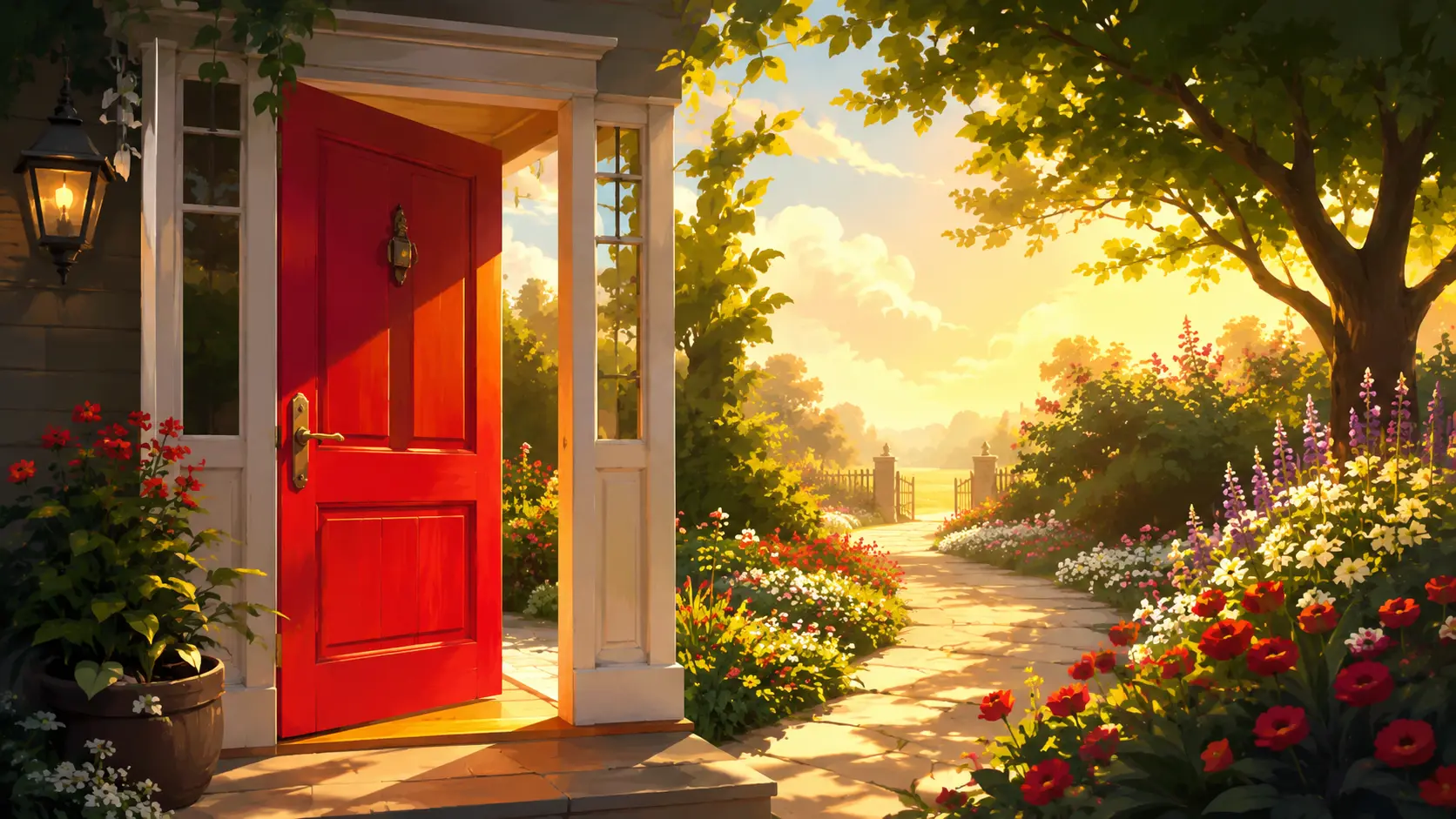
A red front door is one of those design choices that instantly grabs attention. You walk past a home with a bold crimson entrance, and suddenly the entire property feels alive. But here’s the interesting part: a red door is rarely just about color. Across cultures, generations, and architectural traditions, people have attached deep meaning to that fiery entrance. For some, it symbolizes warmth and hospitality. For others, it represents luck, safety, spiritual protection, or even financial success.
What makes the red door fascinating is how one simple design feature carries centuries of storytelling. A homeowner might choose it because it looks stylish, while unknowingly participating in a tradition that stretches back through American history, Chinese culture, religious symbolism, and modern psychology. Even today, interior designers and real estate experts continue debating whether bold red entryways increase curb appeal or express confidence and individuality.
The meaning of a red door changes depending on where you are in the world and who you ask. In some places, it signals “welcome.” In others, it says “mortgage paid off.” Certain spiritual traditions believe it protects the household from negative energy. Meanwhile, modern homeowners often see it as a statement piece that gives their home personality in a neighborhood full of neutral tones.
Before picking up a paintbrush, it helps to understand the rich history and symbolism behind this timeless design trend. The story of the red door is much deeper than most people realize.
The Historical Origins of Red Front Doors
Ancient Traditions Surrounding Red Doors
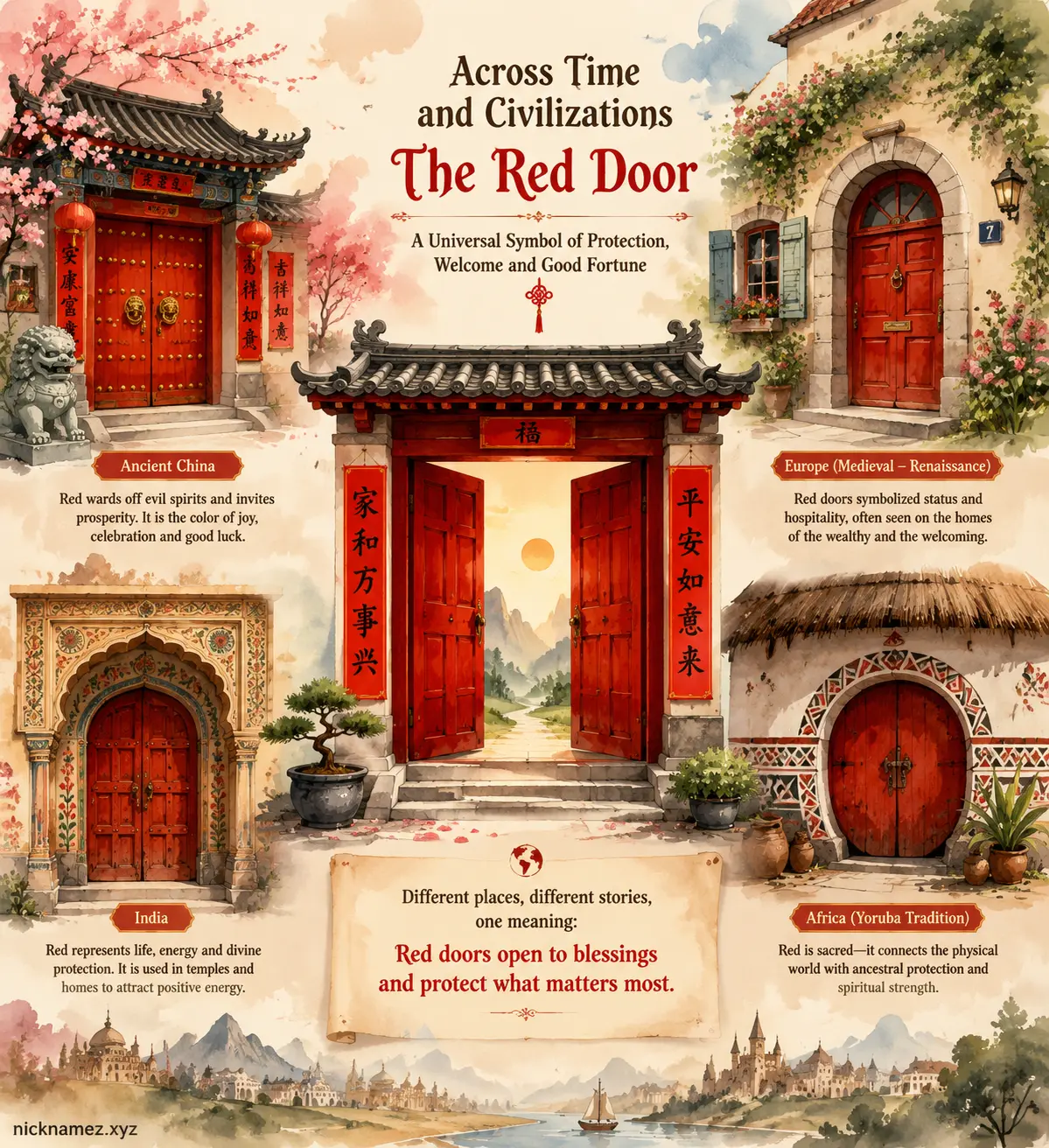
Long before red doors became a trendy Pinterest feature, the color red already held enormous symbolic power in human civilization. Ancient cultures viewed red as the color of life, blood, protection, vitality, and spiritual strength. It stood out in nature, demanded attention, and naturally became associated with power and energy. That’s one reason red was often reserved for important buildings, ceremonial spaces, and sacred entrances.
In ancient China, red became deeply connected to prosperity, happiness, and protection from evil spirits. Even today, red remains one of the most celebrated colors in Chinese culture, appearing during weddings, Lunar New Year celebrations, and major life events. Many historical traditions suggested that painting a front door red invited positive energy while keeping harmful influences away from the household.
Religious symbolism also played a major role. During medieval times in Europe, churches often featured red doors to symbolize sanctuary and divine protection. Walking through a red church door represented entering sacred ground where people could find safety and peace. Some historians link the tradition to Biblical references involving protection and sacrifice, particularly stories associated with marked doorways and spiritual deliverance.
What’s fascinating is how these traditions survived for centuries despite massive cultural changes. Trends in architecture evolved. Paint styles changed. Entire civilizations transformed. Yet the red door remained a recurring symbol across continents. It became less about one specific meaning and more about emotional impact. A red entrance always conveyed something strong, noticeable, and intentional. That emotional reaction still exists today whenever someone walks past a bold red front door.
Red Doors in Early American History
In early American communities, a red front door often represented hospitality and safety. Travelers moving through towns by horseback or carriage needed places to rest, eat, and recover during long journeys. Homes with red doors reportedly became known as welcoming places where strangers could find refuge for the night. That symbolism transformed the red door into something warm and neighborly rather than intimidating.
Another popular story connects red doors to the Underground Railroad during the American Civil War era. According to historical folklore, some safe houses helping escaping enslaved people used red doors as quiet symbols of protection and refuge. While historians debate how widespread this practice actually was, the association between red doors and safety became deeply rooted in American storytelling.
In parts of the American South and Scotland, a red door also came to symbolize financial freedom. Homeowners would paint their doors red after fully paying off their mortgage. Imagine the pride behind that gesture. It was like hanging a trophy on the front of your house for the whole neighborhood to see. Owning a home outright represented stability, success, and independence. A bright red entrance became a visual celebration of accomplishment.
These meanings layered on top of each other over time. Hospitality, protection, prosperity, and success all became attached to the same color. That’s why modern homeowners often feel emotionally drawn to red doors even if they don’t know the full history behind them. The symbolism has quietly traveled through generations.
Cultural Traditions Linked to Red Front Doors
Chinese Beliefs About Red and Prosperity
In Chinese culture, red is far more than a decorative color. It represents joy, prosperity, celebration, and luck. You see it everywhere during important events because it’s believed to attract positive energy and success. Front doors painted red are especially significant because entrances are viewed as pathways through which energy enters the home. A vibrant red doorway is thought to encourage wealth, happiness, and opportunity while blocking negative forces.
Feng Shui principles also reinforce the importance of red doors. Practitioners believe color placement affects the energy flow of a living space. Red, associated with the fire element, symbolizes life force, passion, and motivation. Some Feng Shui consultants recommend red doors for homes positioned in certain directions because the color supposedly strengthens protective and prosperous energy.
At the same time, modern experts caution that not every shade of red works equally well. A harsh, overly bright tone may create visual tension instead of harmony. Softer reds, burgundies, and earthy crimson shades often feel more balanced and sophisticated. This shows how ancient traditions continue evolving alongside contemporary design preferences.
Scottish Traditions and Mortgage-Free Homes
Scotland has one of the most famous red-door legends. Traditionally, homeowners painted their front doors red after paying off their mortgage completely. Think about the symbolism there for a moment. A house is usually the largest financial commitment a person ever makes. Painting the front door red became a public declaration of freedom and achievement.
This tradition eventually spread into parts of the United States, particularly Southern communities. Even people unfamiliar with the original Scottish custom continued repeating the story because it captured something emotionally satisfying. The red door transformed into a symbol of stability and personal success.
There’s also a practical explanation behind the popularity of red paint historically. Red pigments were once expensive and difficult to produce. Choosing red paint suggested wealth and status because only financially comfortable households could afford it. Over time, the meaning shifted from “I can afford this color” to “I own this home free and clear.”
That emotional connection still resonates today. Homeownership already carries symbolic weight in society. Adding a red door amplifies the feeling that a house is secure, established, and filled with pride.
Religious Symbolism Connected to Red Doors
Religious architecture frequently uses red doors to symbolize sanctuary, sacrifice, and divine protection. Many churches across Europe and North America continue this tradition today. In some Christian interpretations, the red color references spiritual salvation and the idea of entering a protected sacred space.
Historically, certain churches offered legal sanctuary to individuals seeking refuge from danger or persecution. A red door became a visual marker signaling safety and acceptance. Walking through that doorway meant stepping into protected territory where violence or punishment could not easily follow.
The symbolism carries emotional power even outside religious settings. Modern homeowners may not consciously connect their red front door to ancient church traditions, yet the feeling of security and warmth remains embedded in cultural memory. The color communicates emotion before words are ever spoken.
Symbolism of Welcome, Luck, and Protection
Why Red Represents Hospitality
Color psychology explains part of the red door’s enduring popularity. Red naturally attracts attention faster than almost any other color. It radiates warmth, excitement, and energy. That’s why restaurants, sports teams, and major brands frequently use red in their logos and marketing.
Applied to a home entrance, red creates a similar emotional effect. It says, “This place is alive.” A bright front door feels inviting because it breaks away from dull exteriors and instantly creates a focal point. According to design experts, red doors often communicate confidence, friendliness, and openness.
Historically, travelers recognized red doors as welcoming spaces. Today, visitors may not know that history, but they still respond emotionally to the color. Humans instinctively associate warm tones with social connection and activity. A red door subtly suggests that the people inside are expressive, energetic, and approachable.
That welcoming quality explains why red remains one of the most iconic front door colors despite constantly changing design trends.
Spiritual and Protective Meanings
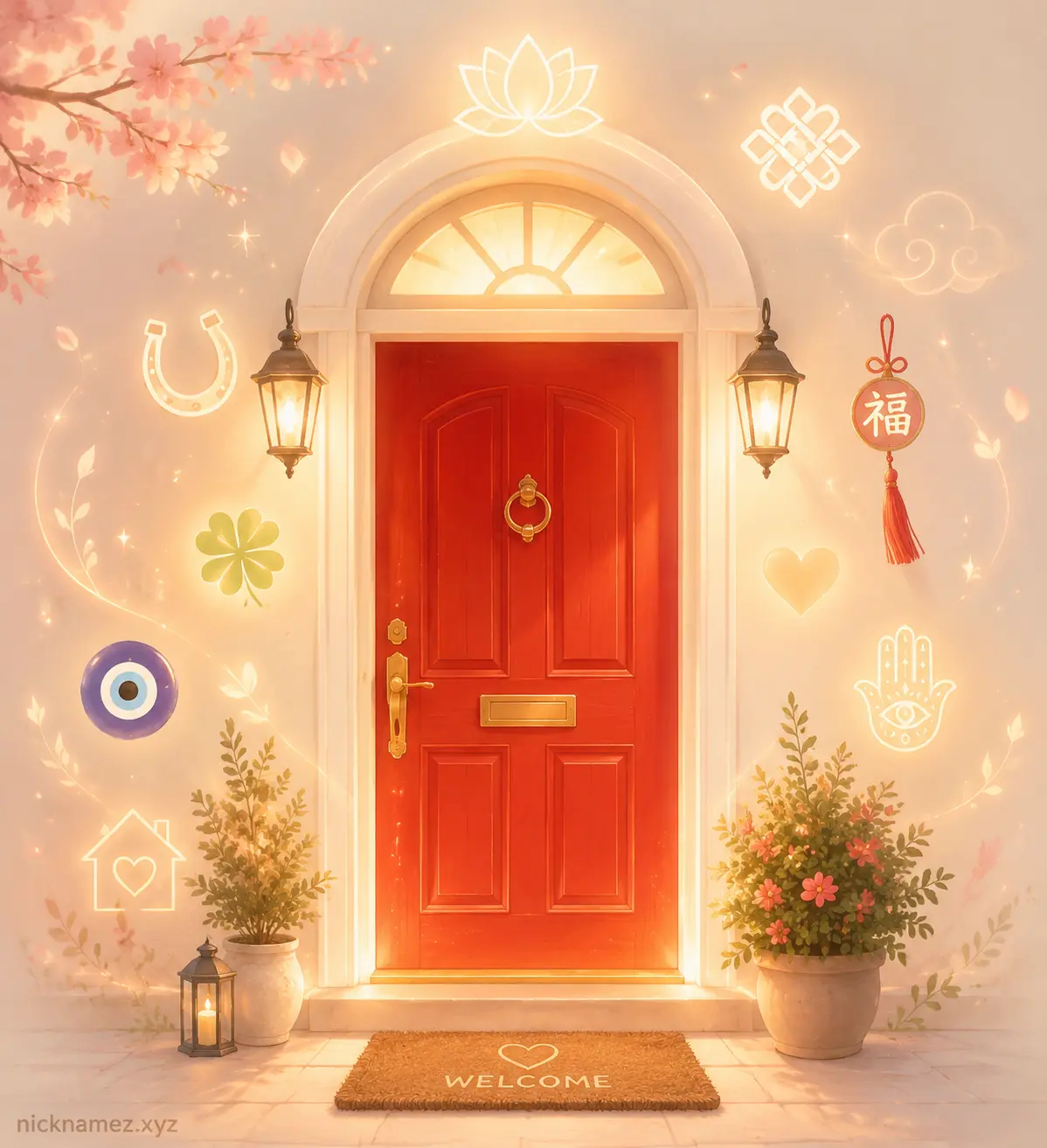
Beyond hospitality, many traditions associate red doors with protection. Ancient cultures frequently used red pigments to ward off evil spirits or harmful influences. In Feng Shui, red is believed to block negative energy while strengthening vitality and good fortune.
Some religious interpretations link red doors to spiritual safety and divine shelter. Medieval churches painted doors red partly because the color symbolized sacred refuge. Entering through a red doorway carried emotional meaning beyond the physical act itself.
Even modern homeowners who don’t follow spiritual traditions sometimes describe red doors as feeling “strong” or “protective.” That emotional association survives because color influences human psychology in subtle ways. A bold entrance creates a sense of structure, intention, and security.
What a Red Door Says About a Homeowner
Personality Traits Associated With Bold Entryways
A red door rarely belongs to someone who wants to disappear into the background. It’s a confident design decision. Choosing a bold entryway suggests creativity, individuality, and a willingness to stand out. Psychologically, people often view red as energetic, passionate, and expressive. Homeowners who pick red doors may unconsciously want their home to project those same qualities.
There’s also a sense of warmth attached to red entrances. Unlike cold gray or stark black doors, red feels emotionally active. It signals personality before a visitor even steps inside. Designers frequently describe red doors as charismatic because they instantly create visual energy.
Interestingly, the specific shade matters a lot. A glossy fire-engine red creates a playful, vibrant impression. Deep burgundy or oxblood tones feel luxurious and sophisticated. Rustic barn-red shades lean traditional and cozy. The color choice becomes a form of self-expression similar to fashion or interior decorating.
Psychological Effects of Red in Exterior Design
Red affects human attention and emotion more intensely than many other colors. That’s partly biological. Red is associated with alertness, urgency, passion, and excitement. In architecture, strategically using red creates visual drama and emphasis.
A red front door acts almost like punctuation on a home’s exterior. Neutral-colored homes suddenly feel more dynamic with one bold entrance. Designers often compare it to wearing a classic black outfit with bright red shoes. The accent transforms the entire look without overwhelming it.
Research in color psychology also suggests that warm tones can create feelings of comfort and energy simultaneously. That balance explains why red works surprisingly well as an entryway color despite its intensity.
Modern Design Trends Featuring Red Doors
Popular Shades of Red for Contemporary Homes
Modern red doors are evolving beyond traditional bright crimson. Designers in 2026 increasingly favor sophisticated shades like burgundy, terracotta-red, wine, brick red, and muted cherry tones. According to recent design trend reports, harsh primary reds are slowly losing popularity while softer, earthier reds are becoming more fashionable.
This shift reflects broader design trends favoring warmth and natural palettes over overly sharp contrasts. Homeowners still want bold entrances, but many prefer nuanced shades that blend elegance with personality.
Here’s a quick comparison of popular red door shades:
| Shade | Style Impression | Best For |
|---|---|---|
| Bright Cherry Red | Energetic and playful | Modern suburban homes |
| Burgundy | Elegant and luxurious | Traditional architecture |
| Brick Red | Warm and rustic | Farmhouses and cottages |
| Oxblood | Dramatic and sophisticated | Contemporary homes |
| Terracotta Red | Earthy and welcoming | Mediterranean designs |
Choosing the right tone dramatically changes how the home feels from the street.
Best Exterior Color Combinations
Red doors pair beautifully with several exterior palettes. White houses with red doors remain timeless because the contrast feels crisp and classic. Gray homes gain warmth from deep burgundy entrances. Beige or stone exteriors look richer with earthy brick-red tones.
One reason red remains popular is versatility. It works with both traditional and modern architecture when matched carefully with surrounding materials. Black hardware, brass fixtures, greenery, and natural wood accents all complement red entryways exceptionally well.
Red Doors in Minimalist and Traditional Architecture
Minimalist homes often use red doors as a deliberate focal point. Imagine a sleek modern exterior dominated by clean lines and neutral tones. A single red entrance instantly creates character without cluttering the design.
Traditional architecture embraces red differently. Colonial homes, Craftsman houses, and farmhouses frequently use red doors to enhance warmth and historical charm. In those settings, the color feels nostalgic and comforting rather than edgy.
The beauty of the red door is its adaptability. It can feel classic, dramatic, rustic, modern, or luxurious depending on context.
Common Myths and Misconceptions About Red Doors
Separating Fact From Folklore
Not every story about red doors is historically verified. Some popular legends evolved through repeated storytelling rather than documented evidence. For example, while many people associate red doors with Underground Railroad safe houses, historians debate how consistently that symbolism was actually used.
Similarly, mortgage-free traditions may have been common in certain regions without becoming universal customs everywhere. Over time, communities blended folklore, religious symbolism, and local traditions into one broad cultural narrative.
That doesn’t make the stories meaningless. Folklore matters because it shapes emotional associations. Even if certain traditions were regional rather than global, they still contributed to the modern symbolism surrounding red doors.
Does a Red Door Really Increase Home Value?
Some real estate experts believe bold front doors can improve curb appeal by making homes feel memorable and inviting. A visually appealing entrance creates stronger first impressions for buyers.
That said, there’s no magical paint color guaranteed to raise property values dramatically. Context matters. The wrong shade of red can clash with the architecture or neighborhood aesthetic. An elegant burgundy on a traditional brick house may look stunning, while an overly bright neon red could feel overwhelming.
The biggest advantage is emotional impact. Buyers often remember homes with distinctive entryways because they feel more personal and welcoming.
Choosing the Right Shade of Red
Bright Red vs. Deep Burgundy
Choosing a red door is surprisingly similar to choosing lipstick or a tailored suit. Tiny differences in tone create completely different impressions. Bright reds feel youthful, playful, and energetic. Burgundy tones communicate sophistication and depth. Rustic reds feel earthy and traditional.
Modern designers increasingly recommend testing paint samples under natural light before committing. Red changes dramatically depending on sunlight, weather conditions, and surrounding landscaping.
Matching Red Tones With Different Home Styles
The best red shade depends heavily on the architectural style of the home.
| Home Style | Recommended Red Tone |
|---|---|
| Colonial | Deep burgundy |
| Farmhouse | Rustic barn red |
| Modern minimalist | Oxblood or matte crimson |
| Mediterranean | Terracotta red |
| Cottage | Soft cherry red |
Matching undertones is critical. Warm reds pair better with beige, cream, and earthy stone. Cooler reds work well with gray and black exteriors.
Are Red Front Doors Still Popular Today?
Current Home Design Trends in 2026
Despite evolving design trends, red doors remain highly relevant in 2026. What’s changing is the type of red homeowners prefer. Designers are moving away from loud primary reds and embracing richer, moodier tones with greater depth and sophistication.
Social media platforms filled with home renovation content continue showcasing bold entryways because they photograph beautifully and create instant visual personality. In a world full of neutral exteriors, a carefully chosen red door still stands out powerfully.
The enduring popularity comes down to one thing: emotional resonance. Red entrances feel alive. They communicate warmth, identity, and intention in a way few other design elements can match.
Conclusion
A red front door is far more than a paint choice. It’s a symbol layered with centuries of cultural meaning, emotional psychology, and architectural tradition. Across different societies, red doors have represented welcome, luck, sanctuary, financial freedom, spiritual protection, and personal confidence. Few home design features carry such a rich blend of history and modern relevance.
What makes the red door timeless is its ability to evolve. Ancient traditions connected it to prosperity and protection. American folklore transformed it into a sign of hospitality. Modern design turned it into a bold statement of personality and style. Yet through every era, the central message stayed surprisingly consistent: a red door communicates energy and intention.
For homeowners today, choosing a red door means participating in a tradition much older than modern design trends. Whether the goal is better curb appeal, symbolic meaning, or simply creating a memorable entrance, the red door continues proving that sometimes the smallest architectural details tell the biggest stories.
FAQs
1. What does a red front door symbolize spiritually?
Spiritually, a red front door often symbolizes protection, positive energy, safety, and prosperity. Many Feng Shui traditions believe it attracts good fortune while blocking negative energy.
2. Does a red door mean the house is paid off?
In Scottish tradition and parts of the American South, homeowners painted doors red after paying off their mortgage. While not universal, the symbolism became widely recognized.
3. Are red front doors still trendy?
Yes. Modern trends still favor red doors, though designers now prefer deeper and more sophisticated shades like burgundy, oxblood, and terracotta instead of bright primary reds.
4. What exterior colors work best with a red front door?
White, gray, beige, stone, navy, and natural wood exteriors all pair beautifully with red doors. The exact shade should complement the home’s undertones and architectural style.
5. Can a red front door increase curb appeal?
Absolutely. A well-chosen red door creates a memorable focal point and often makes homes feel more welcoming and visually distinctive to visitors and potential buyers.

American content writer and blogger based in Boise, Idaho, age 29. Dorian specializes in creating well-researched digital content focused on lifestyle, technology, and online resources. With several years of professional writing experience, he is known for translating complex topics into practical, reader-friendly articles. He regularly contributes editorial content for nicknamez.xyz while emphasizing accuracy, transparency, and trustworthy research.